
Seasonal Secrets: Your September Planting Guide for Zone 6
Seasonal Secrets: Your September Planting Guide for Zone 6
.jpg)
September in Ohio's Miami Valley gets treated like the garden's closing time. And that's understandable. Your summer crops are winding down, the temps at night are dipping, and even the leaves on the trees are just starting to turn and fall. But the soil is speaking a different story. Still holding on to the sunshine of September days, it's warm enough to sprout the right plant in under a week.
So, what can you still plant in September? The answer is quite a lot, as long as you keep one date in mind. Dayton sits in plant hardiness Zone 6, and our average first frost arrives around October 21. That date is the measuring stick for everything this month. It decides what to sow now, what to plant soon, what to buy for next month, and what to hold for spring. Let's walk the yard together.
What You Can Plant Right Now in September
Start with the seed packet in your hand. Every variety lists a days-to-maturity number, and that number is your answer. Count backward from October 21. If the math fits, so does the crop. That one habit turns a busy month into a workable Zone 6 planting schedule. It's the same backward count OSU Extension recommends for fall vegetables.
And the soil is on your side here. Because it's still warm, seeds that take two weeks to sprout in spring can pop up in just a few days now. That said, keep a lightweight row cover handy. Dayton's first freeze has shown up as early as late September and as late as Thanksgiving week. One thin fabric blanket can save a bed on a surprise cold night and stretch your harvest past frost.
Cool-Season Vegetables That Love a Warm-Soil Start
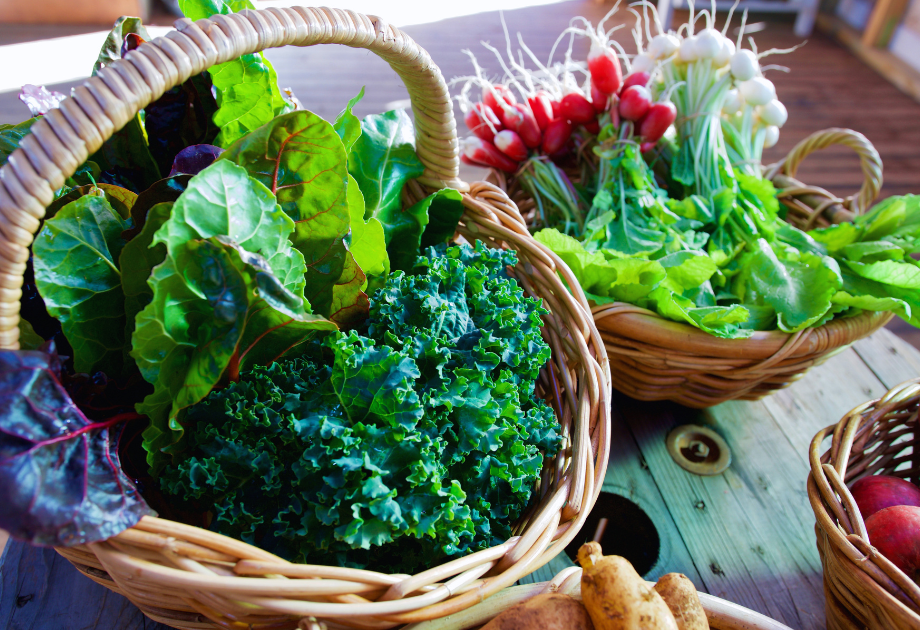
Leafy greens are the easiest "yes." Leaf lettuce, spinach, and arugula finish in 30 to 50 days, and Swiss chard lands close behind. Sow them this weekend, and you'll be cutting fresh salads by mid-October. Root crops run on the same clock. Radishes are the sprinters of the group, ready in as little as 25 days. Carrots, beets, and turnips take 50 to 70 days, which puts them at the finish line right around frost. That's fine for this bunch, because cold-hardy roots take a light frost in stride. Together they make an easy first fall vegetable garden, even if you've never grown one.
And this might surprise you, but a light frost actually improves the flavor. Cold prompts these crops to convert their stored starches into sugars. So your spinach turns sweeter after a chilly night, and your carrots come out of the ground tasting richer.
Transplants That Make Up for Lost Time
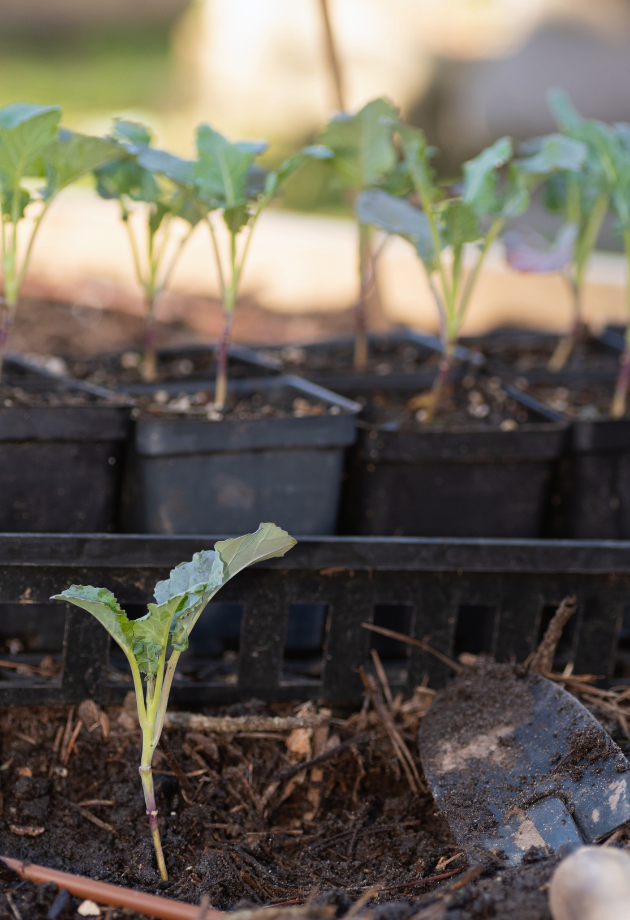
Some vegetables ask for more time than the window has. Broccoli, for one, can need 100 days or more from seed, and that math just doesn't work in September. So, skip the seed and grab a transplant instead. A nursery start comes with several weeks of growth already banked, which pulls the harvest back inside the season. Cauliflower, cabbage, and Brussels sprouts work the same way. And the cool weather actually helps. These cabbage-family crops form tighter, denser heads as temperatures drop.
Then there's garlic. It gets planted in fall on purpose, with no harvest expected until next summer. These crops root in the warm September soil, sleep through winter, and wake up with a head start. For them, fall planting is the plan from the start.
Trees, Shrubs, and Perennials That Love a Fall Start
October 21 plays a gentler role out in the landscape. Frost ends the growing season above ground. But the soil below stays mild well into winter, and roots keep right on working in it. That's why fall-planted trees, shrubs, and perennials put their energy underground instead of into leaves. And that head start shows next year, when fall-planted stock outgrows anything set out in spring. Your one job in the meantime is water. Cooler air means less evaporation, but a new planting still wants a deep soak every week until the ground freezes.
Trees and Shrubs Worth Planting This Fall
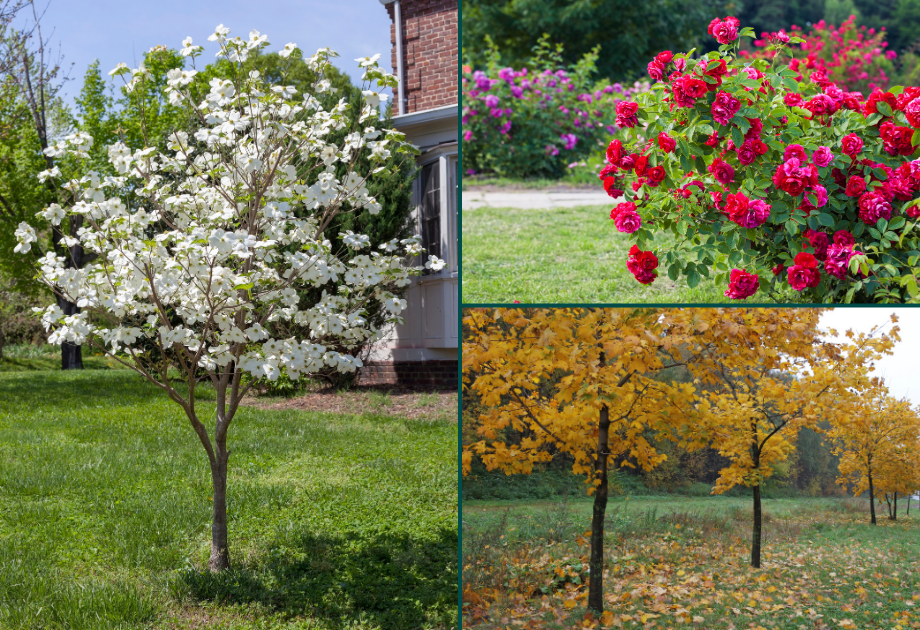
Here's an easy rule of thumb: trees and shrubs that lose their leaves each fall are great candidates for fall planting. Dogwoods and flowering trees settle in now and bloom right on schedule next spring. Maples and oaks do the same, and they'll repay the effort with decades of shade. Hydrangeas and roses join the list too, rooting eagerly in the warm September soil. All of them are proven Zone 6 plants, and all of them follow the pattern that makes fall planting work so well here.
Evergreens are the exception, and they need more of a head start. Since they hold their foliage all winter, the winter wind keeps pulling moisture out of those leaves for months. The roots have to keep up with that loss, and roots planted too late can't. That's why evergreens need an earlier deadline. Boxwood, rhododendron, azalea, holly, and arborvitae should all be in the ground by mid-October. That still leaves them about six weeks of root growth before the ground freezes. Miss that deadline, and spring is the better call.
Perennials That Settle in Now and Show Off in Spring
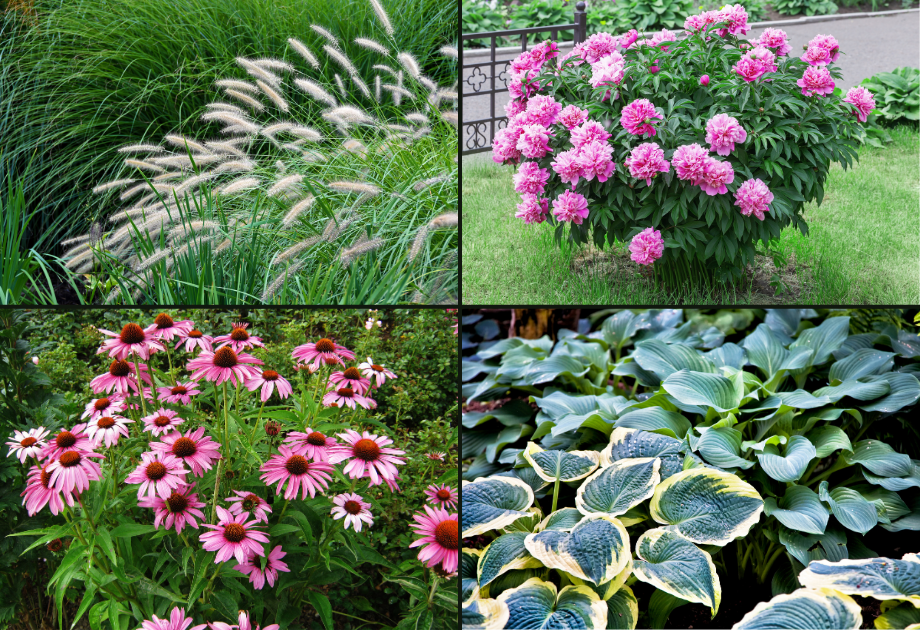
Perennials get the same boost from fall planting that trees and shrubs do. The roots they build this fall turn into the growth you'll see next year. Hostas fill in your shady corners faster. Coneflowers return with months of summer color, plus the butterflies that love them. And ornamental grasses bring movement and texture that lasts into winter. Every one of them spends this fall growing roots you'll never see. But come spring, they'll act like established plants instead of newcomers. They'll be fuller and sturdier than anything planted in April.
Spring Bulbs: Buy Now, Plant Next Month
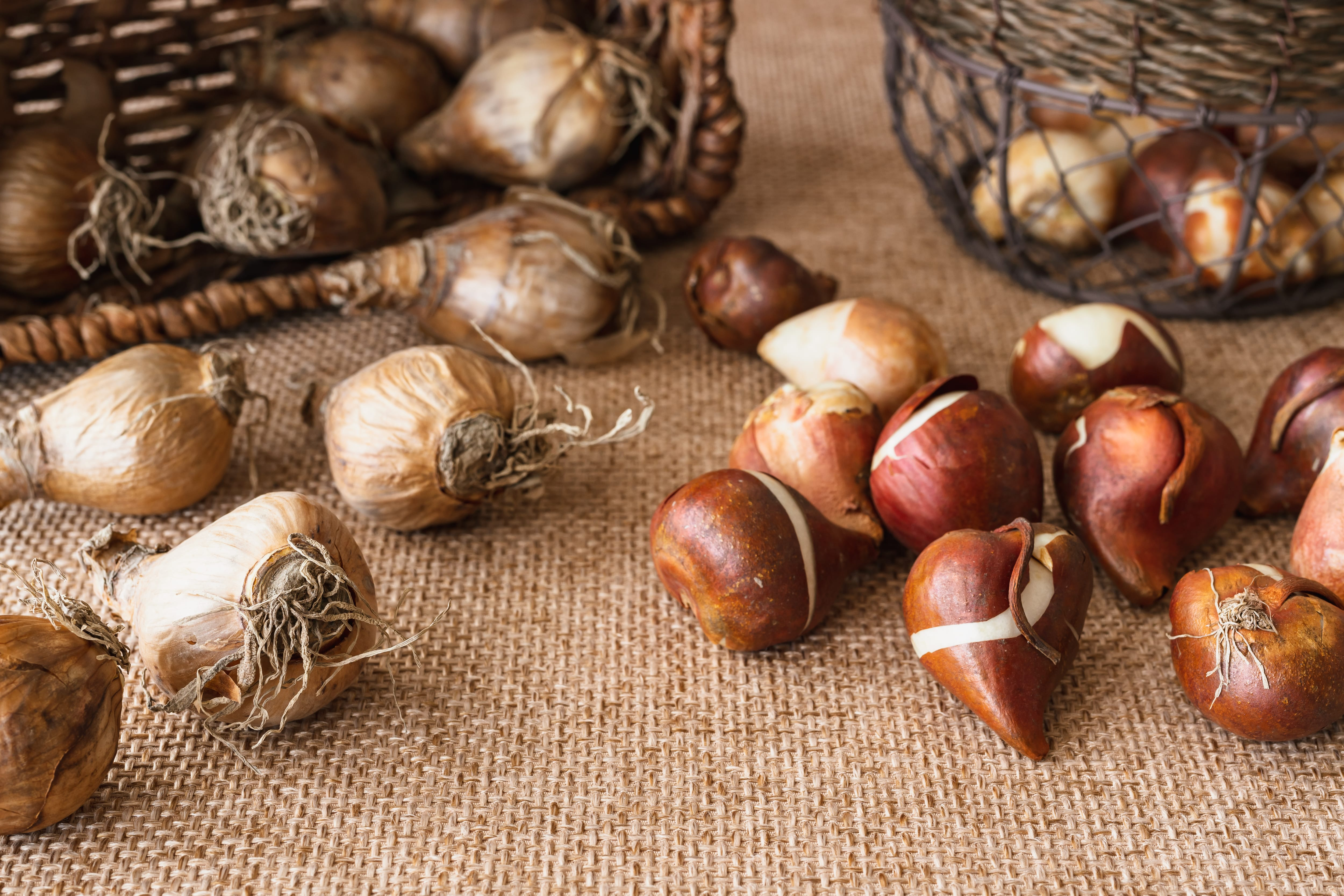
Now, about those bulb displays you've started seeing. Tulips, daffodils, and other spring-blooming bulbs do want to be planted in fall, but not quite yet. Spring bulbs root best in soil that has cooled to 50 to 55 degrees. In the Dayton area, that doesn't happen until mid-to-late October. The same warm ground that's sprouting your spinach right now would wake bulbs up at exactly the wrong time. So let the soil cool first. Once it does, a bulb needs about six weeks of root growth before the ground freezes hard. That rooting time is what toughens a bulb up against winter damage.
So why shop now? Because September is when the selection peaks. The displays are going up, and the best bulbs for fall planting tend to sell through before their planting time even arrives. Pick out your tulips, daffodils, and hyacinths on your next visit. Then store them somewhere cool and dry until the soil catches up next month.
What's Worth the Wait Until Spring
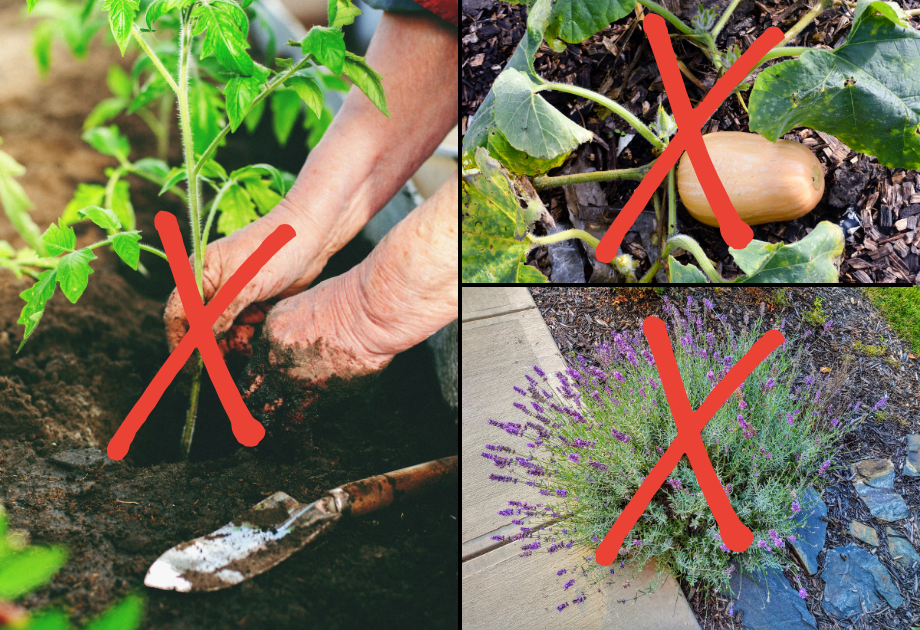
Now for the hard part. Those warm afternoons will tempt you toward one more tomato plant, and the instinct makes sense. But run the backward count, and you'll get a "no." Tomatoes, peppers, squash, and cucumbers need months of frost-free weather to finish. October 21 arrives long before they can get there. Any fruit that sets in late September just stalls green on the vine. The same math that said yes to spinach says no here.
Tender perennials sit out the fall for a different reason. Lavender survives Ohio winters on deep, established roots. So do Agastache (hummingbird mint) and nepeta (catmint). Eight weeks of fall growth can't build that kind of root system. Plant them now, and they'll face their first winter with roots too shallow to protect them. They'll do far better in the spring planting window, with a full season of growth before winter tests them. So hold them for spring, right alongside the tomatoes.
Get Your September Planting Supplies at Knollwood Garden Center
The calendar that runs your beds runs ours too. Fall vegetable starts, seed racks, and the first bulb arrivals all reach their best selection in late August and early September. Those are the very same weeks that give your plantings the most time before October 21. So a visit right now does double duty. You catch the widest selection, and your plants get the longest stretch of growing weather.
Bring your questions and a rough idea of your space. Our team plants in this same Miami Valley soil and counts from this same frost date. So, frost math is a daily conversation at our counter. Whatever weeks your beds have left, we'll help you fill them. Contact us today or stop by. We're gardeners, just like you. See you this weekend!