
How to Design Your Dream Garden: A Beginning Groundwork Guide for Every Type of Gardener
How to Design Your Dream Garden: A Beginning Groundwork Guide for Every Type of Gardener
(1).jpg)
Every season has its role to play in the garden, even Winter. January starts one of the most exciting, and perhaps daunting, gardening phases: planning. It’s the time when seed catalogs start piling up, saved images start inspiring new ideas, and backyard daydreams start taking shape. For many, though, this stage also brings a familiar feeling of not knowing where to begin.
That’s why we’re starting a new blog series: How to Design Your Dream Garden. Throughout the year, we’ll explore what it really takes to design a garden that fits your space, your needs, and your hopes for the season ahead. We’ll walk through everything from planning basics and layout decisions to plant selection, structures, and creative themes.
We’re gardeners, just like you, and we know that our readers might be total beginners or experts who’ve been at it for years. So, this series is built to meet you wherever you are, with guidance that supports both small containers and full backyards.
This first post focuses on the early groundwork: observing your space, identifying your goals, and building a plan that supports real-life use. It’s the step that sets everything else in motion.
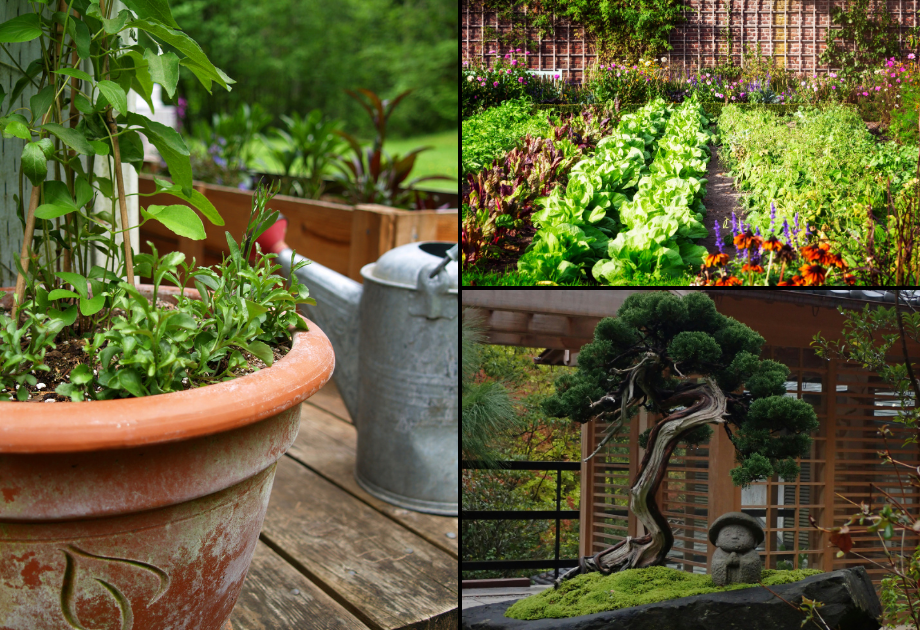
Welcome to Your Dream Garden Journey
Everyone comes into garden planning from a different place. Some people are just beginning their gardening journey and trying to understand what’s even possible in their space. Others have been gardening for years and want to take a step back, regroup, and make their yard work better than it has in the past. There’s no single starting point that’s “right,” and there’s no single definition of a dream garden.
For some, that dream is flowers everywhere. For others, it’s vegetables, containers, a small patio that finally feels finished, or a backyard that feels easier to take care of. Planning looks different for every garden and every gardener, which is why slowing down and thinking things through before spring can make such a difference.
.jpg)
Step One: Look at the Yard You Have Right Now
Every garden starts with what’s already there. It’s easy to jump into photo saves and plant lists, but the yard you have right now is your best teacher. It shows you what’s working, what’s not, and what needs to be factored in.
Take a walk and notice how you move throughout your yard. Where your feet naturally go. Where the eye lands. What feels permanent. These patterns shape a design that truly fits.
You’ll also want to know your grow zone, since it affects timing, plant choices, and expectations. This doesn’t need to turn into homework; just a few good observations go a long way.
A few key things to pay attention to:
Light, Shade, Views, and How the Seasons Change Them
Light is one of the biggest influences on what will thrive, and it changes throughout the year. A spot that feels bright in one season might be shaded in another, especially once trees leaf out and cast new patterns.
Notice where the sun lands in the morning, where it moves by afternoon, and where shade stays consistent. These light patterns guide later decisions like bed placement and focal points.
Views matter, too. Look out the windows you use every day. Stand where you naturally pause when you walk outside. Where your eye goes, and where it gets stuck, often points toward areas that would benefit from a bed, a feature, or a place to rest visually.
Microclimates, Wind Patterns, and How Water Moves Across the Yard
Most yards have their quirks. A pocket that stays warm. A side that’s always breezy. A dip that stays soggy long after it rains.
Noticing these patterns helps you make smart choices about what to plant where, and where to add comfort. Windy spots might need a screen or shifted seating. Wet areas might suit moisture-loving plants or suggest drainage tweaks.
It’s also worth paying attention to recurring issues, like where you see weeds or common garden bugs year after year. You’re not trying to fix everything today, just paying attention so you can plan around what’s real.
What Works, What Doesn’t, and What Stays Put
Some things are flexible. Some are not.
Big trees, slopes, patio edges, and drainage paths tend to define the space whether you like them or not. Knowing what’s staying helps set your design boundaries early.
From there, look at what’s working. What feels natural to walk through. What gets used. Then note what feels awkward or ignored. That honest scan can open up surprising options for making the most of your garden space and it keeps you from falling for plans that won’t fit.
.jpg)
Step Two: Decide What You Want This Garden to Do for You
Once you’ve studied the space, it’s time to define its purpose.
This is where the design gets personal. Two people can stand in the same yard and dream up completely different outcomes... and both are valid.
The easiest way to start is by thinking in terms of use and feel.
How You Want to Use the Space
Good garden design supports real life.
Maybe you want a spot for coffee and quiet. Or a space where kids can dig. A raised bed that supplies herbs for dinner. A tucked-away bench for reading. A pollinator patch that adds motion and life.
The clearer you are about how you want to use the space, the easier it is to plan a layout that supports those rhythms.
The Look and Care Level You Prefer
Some gardens feel wild and full. Others feel clean and neat. Some buzz with color. Others lean toward calm.
There’s no right answer, but it helps to be clear about what you’re drawn to and how much maintenance feels good.
If you love tending, that opens one path. If you want low-fuss beauty, that points to another. Naming these preferences early keeps your ideas focused instead of overwhelming.
Step Three: Find Ideas That Fit Your Space and Your Goals
Now the fun part: gathering ideas.
There’s inspiration everywhere, but your goal isn’t to copy. It’s to collect pieces that make sense for your actual yard and the way you want to feel in it.
Pick Inspiration That Makes Sense for Your Yard
When you come across a garden that makes you stop and stare, ask why. Is it the light? The fullness? The structure?
Then check it against what you already know. Does it share similar space, light, or layout conditions? If not, is there an element you can borrow and still make it work?
Let your Step One observations help you sort what’s dreamy and what’s doable.
Turn a Few Favorites into a Clear Starting Point
You don’t need a full blueprint, just a sense of direction.
Gather a small group of ideas that feel like they go together. Maybe it’s the way the colors flow. The way the edges curve. The mix of structure and softness.
That loose sense of style helps your plans start to click.
.png)
Step Four: Make a Simple Sketch to Bring Your Ideas Together
A sketch doesn’t need to be pretty. It just needs to get ideas out of your head and onto the page.
This first draft isn’t your final garden; it’s a starting point that connects everything you’ve noticed so far.
Mark Out Beds, Paths, Sitting Spots, and Key Features
Start with the basics. Draw where you already walk. Mark where a bed might add color. Where a path could improve flow. Where a bench would feel just right. Where a focal point might anchor a view.
Use shapes, arrows, or scribbled labels. The point is to see the space as a whole.
If you’re someone who loves whimsy, you might already be thinking about adding personal touches to your space. This is a great time to start imagining those layers, too.
Keep Your First Draft Loose So It Can Grow With You
Design is always in motion, and that’s a good thing.
Let your sketch be flexible. Leave room for future changes. Stay open to new ideas as the seasons shift and your needs evolve.
This version helps you start. And starting is what builds momentum.
.png)
Garden Design Questions We Hear All the Time
When gardeners start thinking about design, a few questions tend to come up again and again.
What if my yard feels too small, shady, or awkward for a “dream garden”?
Dream gardens aren’t reserved for big sunny yards. Smaller spaces can feel intentional. Shade gardens can feel rich and layered. Awkward corners often become the most interesting parts of a yard once you stop trying to force them into a standard layout.
Focusing on what the space does well opens up options.
Do I need to be artistic to sketch a garden plan?
No. The purpose of a sketch is clarity, not presentation. Simple shapes and notes are enough to communicate ideas and see how they relate to one another.
How do I figure out my garden style or “feel”?
Look for patterns in what you save and what you notice in real life. Similar colors. Similar plant shapes. Similar moods.
Write down a few words that describe what you’re drawn to. They don’t need to be perfect. They’re simply a guide for making choices that feel consistent.
Plan Your Next Steps with Knollwood Garden Center
If you’ve made it this far, you’ve already started. You’ve looked at your yard with fresh eyes, thought about how you want to use it, gathered ideas with intention, and started shaping them into something you can build on.
If you’d like a second set of eyes on your notes or your sketch, we’re happy to help. Come see us this weekend and bring what you’ve been thinking about. We love talking through ideas and helping you find the next step that fits your space.
In the next posts in this series, we’ll build on this groundwork and explore different pieces of garden design as your ideas take shape. This early planning is what makes everything else easier.