
Your Guide to Summer Gardening in Ohio: Tips from Knollwood's Team
Your Guide to Summer Gardening in Ohio: Tips from Knollwood's Team
.jpg)
July in the Miami Valley is hot, sunny, sticky, and loud with cicadas. It's also when your garden is asking more of you than it has all year. But this is the season everything you planted is paying off, and a little attention now keeps that going strong. There's real work to do out there, and sometimes a little guidance can go a long way.
Our staff are putting the work into their own yards and have learned a thing or two about July gardening. So we asked them: what are your go-to gardening tips for summer? Their advice is full of useful gems that'll keep your garden in great shape.
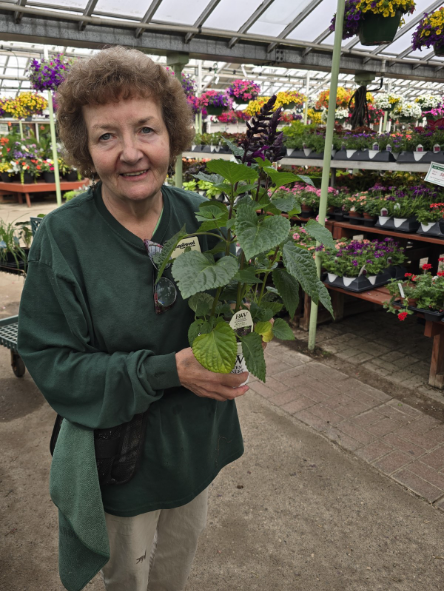
What Knollwood's Team Wants You to Know This Summer
Two pieces of advice came up in every conversation, no matter who we asked.
The first: walk your garden every day. A few minutes among your plants is how you catch a chewed leaf or a wilting stem while it's still a small fix instead of a weekend project.
The second: keep everything watered. Our Zone 6 summers pile on humidity and long hot stretches, and our clay soil bakes into something close to pottery when it dries out.
One of our staff, Ann, sees the result all the time. A plant that looked great in June starts drooping in July, and its owner assumes it's dying when it's really just thirsty and heat-stressed. Water is what carries it through.
We pulled together a guide to keeping plants thriving through the heat if you want to learn more. But those two habits are the foundation everything else builds on.
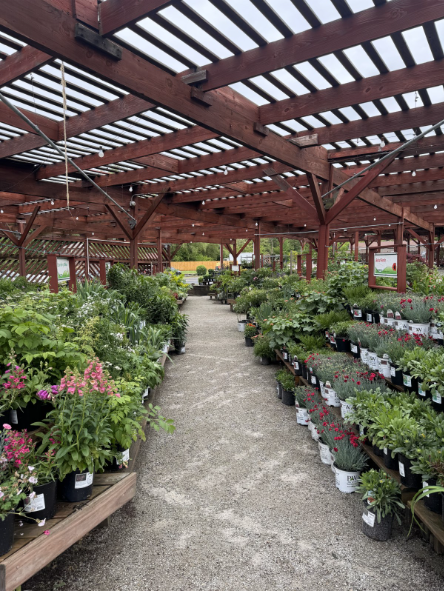
What You Can Still Plant in July
July is still wide open for planting. You can put almost anything in the ground this month, as long as you keep it watered. That includes vegetables since our first frost usually waits until the middle of October. That leaves about three months of growing weather, more than enough for plenty of crops. And because our plants are grown and picked for Southern Ohio, what you find on the benches already knows how to handle a summer like ours.
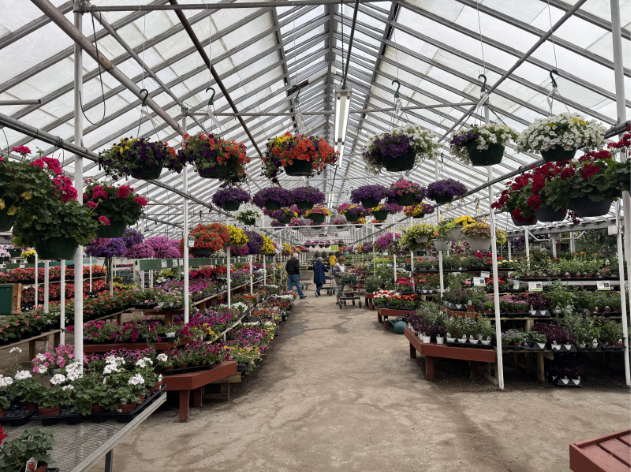
Easy Picks for Filling Gaps and Adding Color
When a plant fades or a bare patch opens up, annuals are your fastest fix. Ann calls them the backbone of the summer garden, and she's not wrong. Almost any one of them will keep color coming right up to frost.
Want something that laughs off a hot afternoon? She points people straight to vinca and lantana. Both keep blooming when the rest of the bed looks like it needs a nap. Tuck a few into a tired container or a thin spot, water them in, and you've turned the whole corner around before dinner.
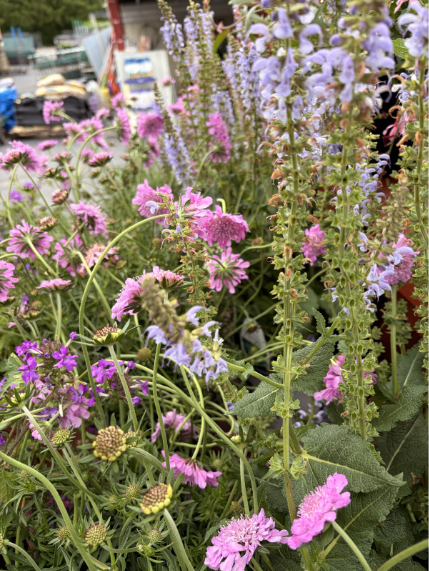
Perennials and Plants That Feed the Pollinators
For color that comes back on its own every year, another one of our staff, Cathy, sends gardeners toward coneflowers. They're native to this area, so they're already suited to our soil and heat and they return without much fuss.
The catch with perennials is that the right one really depends on your yard, which is why Cathy asks a couple of questions first. Is the spot sunny or shady? Does the ground stay dry, or hold water after a storm? Different answers point to different plants, and that's exactly the kind of thing our team loves to puzzle out with you in person.
Hoping to bring in the bees and butterflies? Cathy and Jackie suggest a few plants the pollinators count on. Milkweed feeds the monarchs and the swallowtails both, and a little dill brings the swallowtails around all on its own.
.png)
The Maintenance Moves That Pay Off Most Right Now
Summer upkeep can feel like one long to-do list with no clear front door. So we asked the team a simpler question. If you only had one hour this weekend, where would you spend it?
Start with the weeds. Cathy's rule is to pull them before they go to seed, because one weed that seeds today is fifty weeds by August. One hour now genuinely saves you a whole Saturday later.
Next, feed your annuals. All that nonstop blooming burns through their fuel fast, and it's easy to forget that flowers working this hard get hungry. A midsummer helping of the right fertilizer keeps the blooms coming instead of fizzling out by Labor Day.
Cathy adds one more for keeping the color going: deadhead your perennials once the blooms fade, and they'll keep flowering all season. Then ease off as fall gets close. Let those last blooms go to seed, and you'll feed the goldfinches right through the cooler months. The seed heads earn their keep, and you get the bird show on top of it.
Then there's what's covering your bare soil. Donna's long game is living groundcover. Those are low plants that blanket the open dirt for you, so you've got less mulch to haul and spread every single year. One thing worth knowing, though. Cathy points out that some plants don't want company crowding their roots, so green mulch is a plant-by-plant call, not a blanket rule.
And keep watering, because heat can undo a good week's work in an afternoon. Our full watering guide has the how and the when if you want it.
What to Watch For: Summer Pests and Problems in Southern Ohio
Summer brings its own garden pests and problems, and a little local know-how saves a lot of heartache. Right now, the complaint Cathy hears most is boxwood moths. The box tree moth is a newer face around here, and its caterpillars will strip a boxwood before you notice, so give your shrubs a look on your daily walk.
Powdery mildew is the one to watch as the season goes on. It hasn't taken hold yet this summer, since we haven't had the wet stretches it needs, but heat plus humidity plus moisture is exactly its weather. When it shows up, you'll see a white, dusty film creeping across leaves. Thin out crowded plants so air can move through, and you'll slow it down before it gets comfortable.
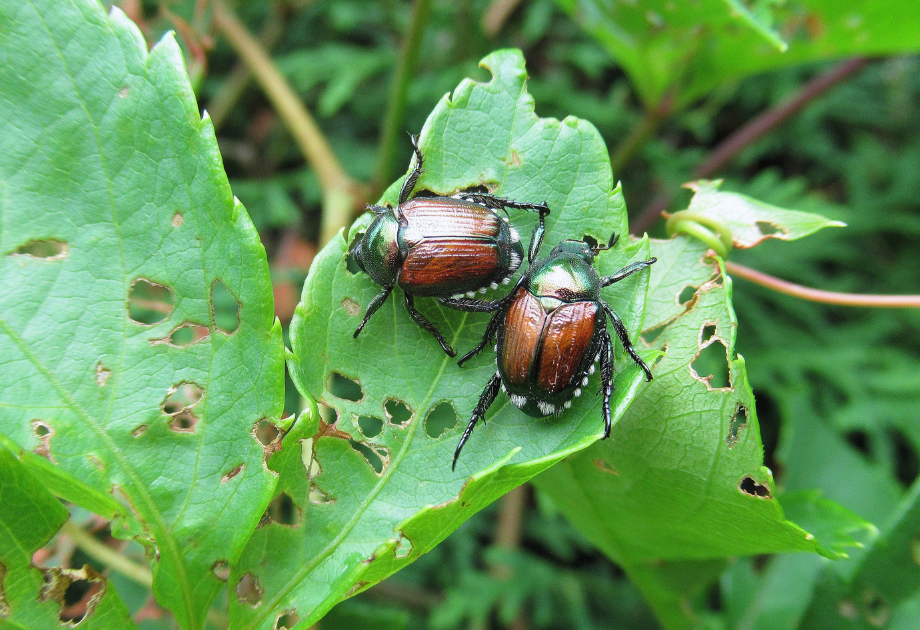
Japanese beetles are the other regular, and Donna has a useful tip about the traps. They do lure beetles in and kill them. The catch is that a trap pulls beetles toward it. If you hang one near your roses, you've just invited the whole neighborhood's beetles to the exact plant you're trying to protect. So set traps well away from anything precious.
If traps aren't right for your space, organic options like neem oil or diatomaceous earth are worth a look. They work, but they come with their own catch: they mostly kill on contact, so they only do their job where they actually land. That makes careful application the whole game. Good coverage and good timing are what separate a treatment that works from one that doesn't.
Herbs have their own summer headache. When the heat makes them bolt, meaning they shoot up a flower stalk and the leaves turn bitter, Donna will be the first to admit it's a tough one to truly beat. Cutting the plant back helps, and so does steady watering. Her real advice, and Jackie nods right along, is that the more you snip and cook with your herbs, the healthier they stay. So use them. That basil isn't doing anyone any good sulking in the garden.
Start Now, Thank Yourself Later: Fall Prep That Begins in July
Fall feels a long way off in July. But our first frost lands in mid-October, which means the window for getting fall plants established is shorter than it looks. The smartest thing you can do this month is start getting ready for it.
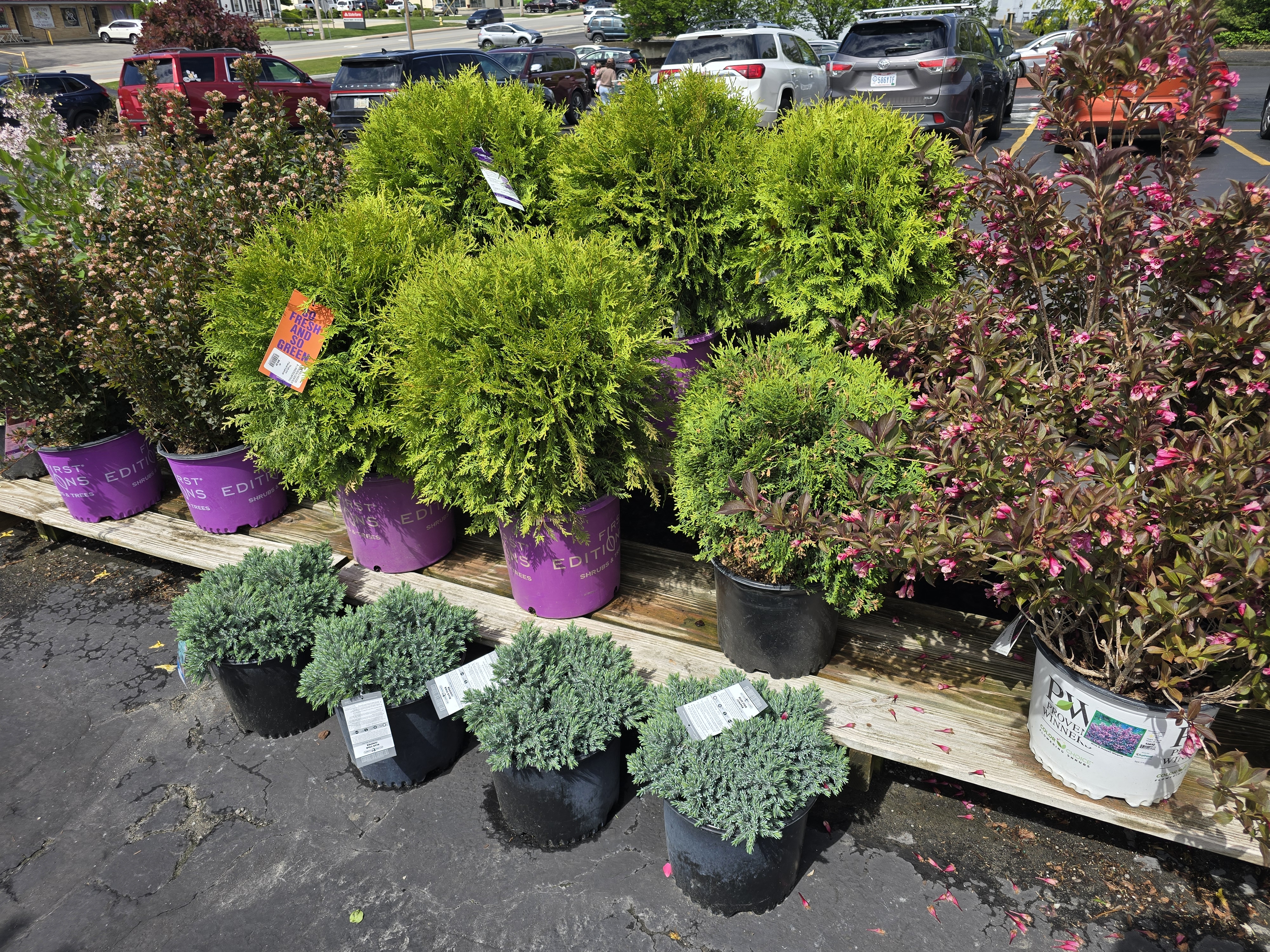
Say you've got your heart set on a new tree or shrub. It's too early to plant one in July, but Cathy's tip is to do the groundwork now anyway. Decide where it's going, dig the hole, and work some organic material into the soil. Then when fall planting season arrives, your new tree or shrub goes straight into ground that's already prepped. Its roots grow through the cool months, and the organic material you mixed in back in July is right there feeding them from the start.
While you're thinking ahead, July is also the time to line up your late-season color. Cathy and Donna both point to coneflowers. Cathy also likes gayfeather, the tall purple spikes you might know by their botanical name, Liatris. Throw in some asters and mums, and you've got a lineup that carries the garden well past the first cool nights. Get them in over the next few weeks, and their roots have time to settle before the weather turns. A little planning in July is what keeps the show going long after the heat finally lets up.
Master Your Summer Garden with Knollwood Garden Center
Every tip in this blog started as a conversation right here at the garden center, and there's a lot more where it came from.
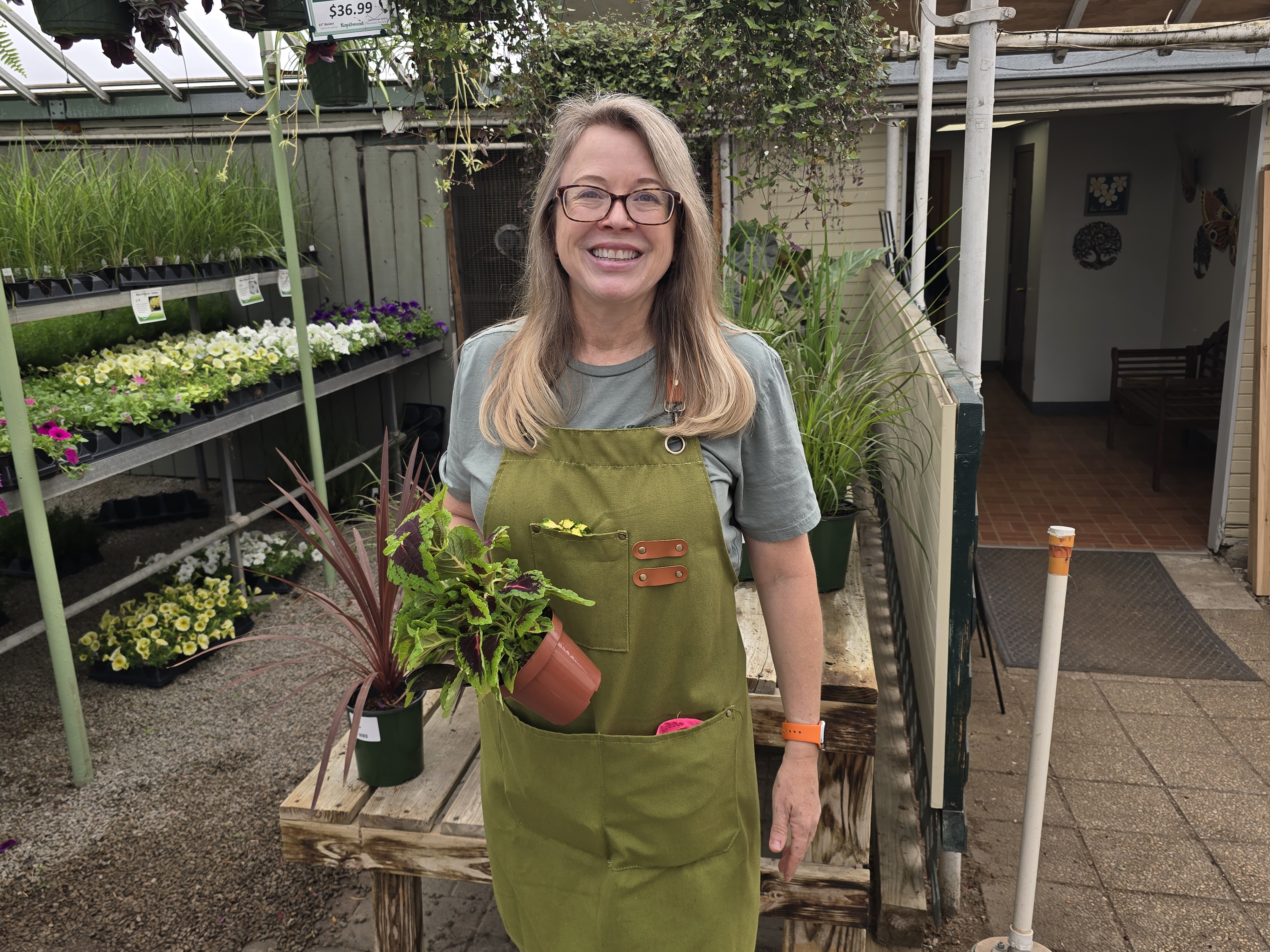
Ann, Cathy, Donna, and Jackie shared the advice above, but they're only a few of the green thumbs you'll find on the floor. Walk in with a question and someone will help you, every time. They'll point you to the right plant, answer what they can on the spot, or track down the person who knows.
We're gardeners, just like you, working the same heat and the same clay in our own backyards. Helping you with your own garden is the best part of the job.
So, bring your summer gardening questions and come see what's growing. Stop by this weekend. We'd love to help.