
Seasonal Secrets: Your June Garden Checklist for Ohio's Miami Valley
Seasonal Secrets: Your June Garden Checklist for Ohio's Miami Valley
.jpg)
June in the Miami Valley is full-throttle. The peonies are heavy with blooms. The tomatoes you planted last month have doubled in size. Your lettuce is ready to eat, the herbs smell incredible, and everything in the yard is growing faster than you can keep up with it.
That's the best problem a gardener can have. Your spring work is paying off, and now the season is ready to reward you for it. This June gardening checklist walks through what deserves your attention right now in southwest Ohio. We'll cover what's happening in your garden right now, what to maintain, what you can still plant, and what to start thinking about for the weeks ahead.
What's Blooming and What's Ready to Harvest in June
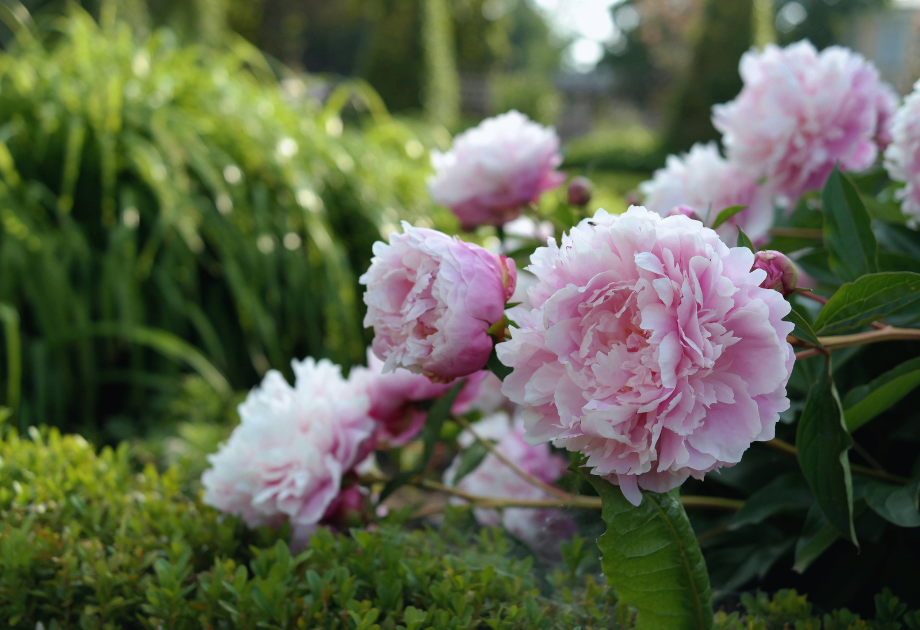
A Zone 6 garden in early June is putting on a show. Coreopsis and yarrow are lighting up sunny borders everywhere right now, and both are favorites among pollinators. Shasta daisies are opening up. Peonies are at their peak. Early daylilies are starting to take over where spring bloomers left off. If you've been meaning to add perennials, June is a great time to do it. The warm soil helps roots establish fast, and you can see exactly what's in bloom before you choose.
On the edible side, this is the first real payoff of the season. Spring crops like lettuce, spinach, radishes, and peas are ready to pick. Pull them while they're still tender. Warm June days will push leafy greens toward bolting fast. There's nothing quite like walking out to the garden and coming back with dinner in your hands. Herbs like basil, cilantro, thyme, and oregano are at their most flavorful right now. Snip them often. Regular harvesting keeps them bushy and productive all summer.
Your June Garden Maintenance Checklist
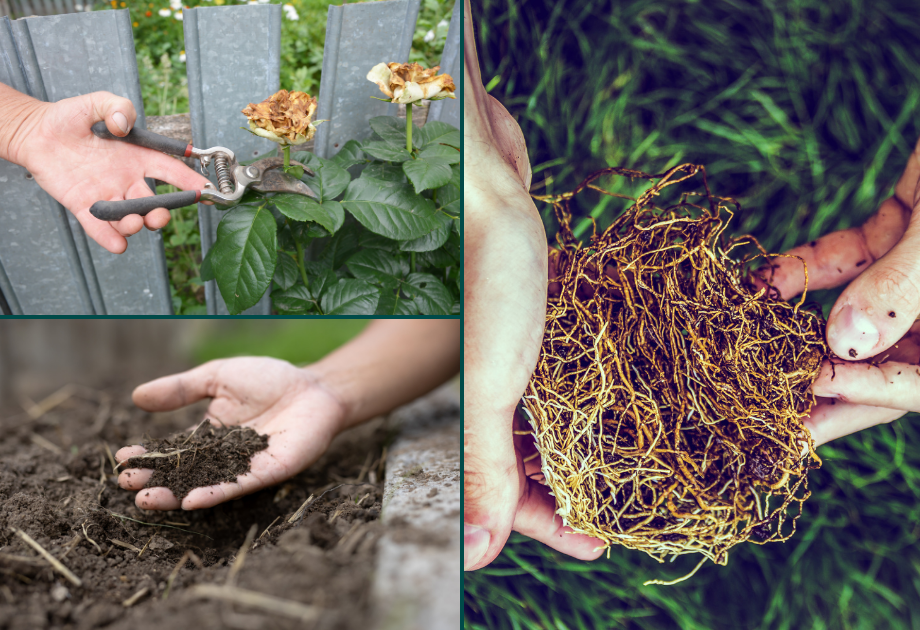
Deadheading in June is what keeps blooms coming through the rest of summer. When a flower fades, the plant starts putting energy into making seeds. Removing the spent bloom redirects that energy back into producing new flowers. You can snap or snip the faded flower just above the next set of healthy leaves. Spike-blooming plants work a little differently; those need the whole stalk cut back once most of the flowers have faded.
But not every plant needs deadheading. Some bloom for months on their own, and others produce seed heads that feed birds through fall and winter. Hydrangeas bloom on old wood, so removing spent flowers can actually cost you next year's blooms. Check the table below before you start cutting.
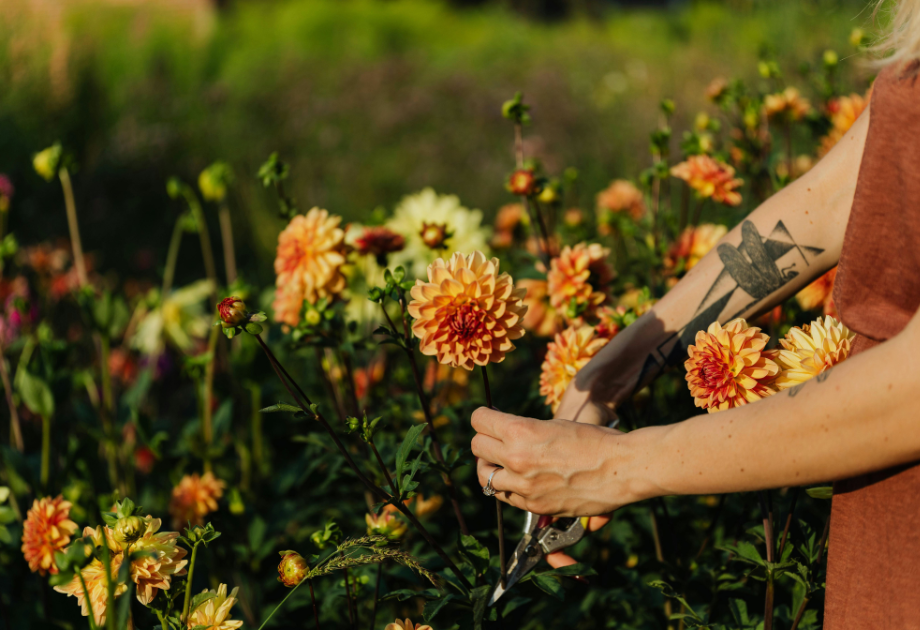
Pinching back is different from deadheading. Instead of removing a spent flower, you're pinching the top 1–3 inches off a young plant to encourage it to branch out instead of up. When a plant is about 8–12 inches tall, pinch just above a set of leaves. The plant responds by sending out multiple side shoots instead of growing on a single stem. The result is a bushier plant with significantly more blooms.
Feeding is the other big task this month. Your vegetable beds have been drawing nutrients hard since spring. Adding a layer of compost or balanced fertilizer alongside your plants now gives them a mid-season boost right when they need it. Containers and hanging baskets need even more attention because they have less soil to draw from. Frequent watering flushes nutrients out fast, so step up their feeding schedule now.
June is also when pest problems start showing up. A weekly walk through the garden is all it takes to spot them early. Small problems in June become infestations in July if you're not watching.
If your spring-blooming perennials have finished flowering, this is a good time to divide them. The plant's energy is going into root growth right now, so divisions establish quickly.
| Task | What to Do |
| Deadheading | Snip faded blooms above the next set of leaves. Cut spike bloomers (salvia, delphinium) at 70%. Deadhead roses after each round of blooms. |
| Leave alone | Coneflowers and black-eyed Susans (seed heads feed birds). Hydrangeas (bloom on old wood). |
| Pinching back | Pinch top 1–3 inches off young plants (8–12 inches tall) above a leaf node. Zinnias, dahlias, cosmos, marigolds, snapdragons. Don't pinch single-stem sunflowers, stocks, or delphiniums. |
| Feeding | Add compost or fertilizer alongside veggie beds. Feed containers and baskets more often. Monthly feeding for roses. |
| Pest scouting | Scout weekly. Aphids on roses, Japanese beetles on leaves, squash bugs under cucurbit (squash) foliage, powdery mildew on susceptible perennials. |
| Dividing perennials | Divide spring bloomers after flowering. Every 3 years. Skip lavender, Russian sage, butterfly weed, clematis. |
Quick Checks
A few more things to look at while you're out there. Mulch tends to thin out over spring, so check your beds and top up anywhere it's dropped below 2 inches. Don't pile mulch against the base of your plants or tree trunks. Those mulch "volcanoes" you see piled high around trees can trap moisture against the bark and invite rot and disease.
If your spring bulb foliage has fully yellowed, go ahead and cut it back. Don't remove it while it's still green. Those leaves are feeding the bulb for next year's blooms.
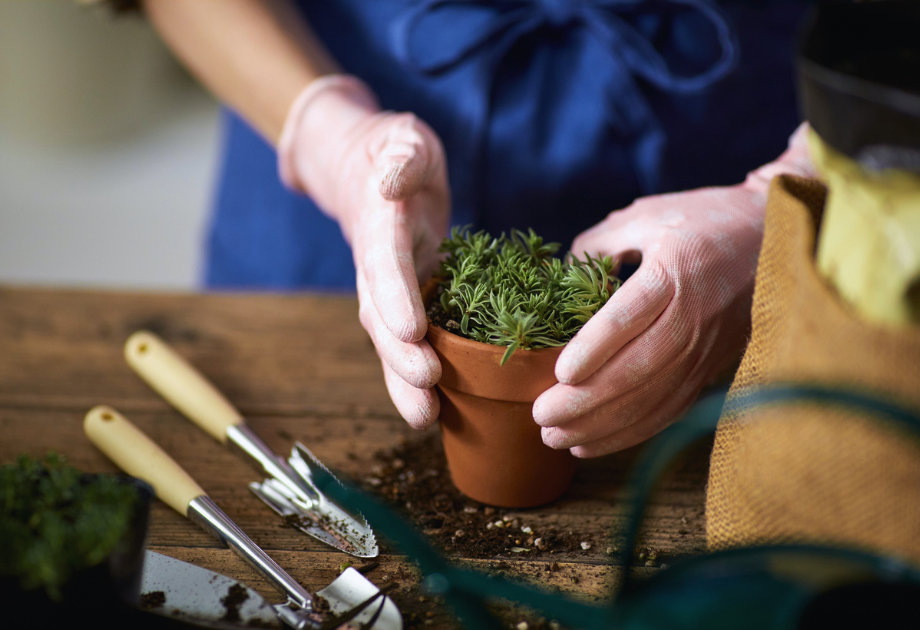
Take a look at your containers, too. Spring pots that looked great in April may be fading now. Swap tired plants for heat-loving annuals and check soil moisture daily. Containers dry out faster than garden beds, especially in full sun. Now is the time to adjust your watering schedule before the real heat arrives.
| Task | What to Do |
| Mulch check | Maintain about 2 inches of total depth. Keep mulch away from the base of plants and tree trunks. |
| Bulb foliage cleanup | Cut back only when fully yellowed. Leave green foliage alone. |
| Container refresh | Swap fading plants for summer performers. Check moisture daily. |
What to Plant in June
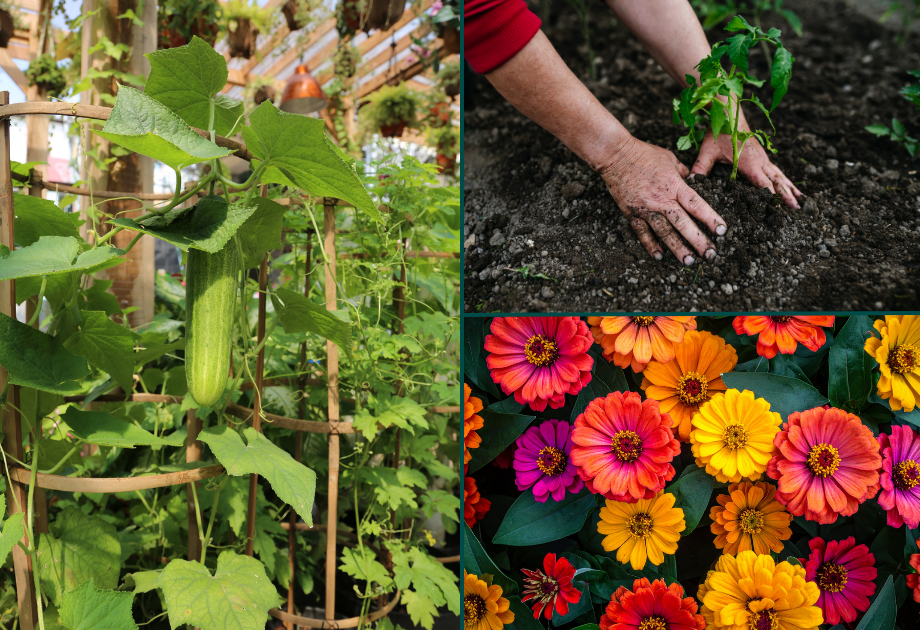
June is a prime planting month in the Miami Valley. Warm soil makes this ideal timing for heat-loving crops. Anything you plant in June has a full growing season ahead of it.
Warm-season vegetables thrive when they go into warm ground. Beans, corn, peppers, eggplant, okra, cucumbers, and squash are all good to go. If your tomatoes aren't in yet, you still have time. Cucumbers and squash planted now often sidestep the early pest pressure that hits May plantings. That later start actually works in your favor. Transplants get warmer nights and stronger growing conditions from day one.
Herbs fit the season perfectly. Basil, oregano, thyme, and sage grow well in beds or containers. They'll produce through fall with regular harvesting. If you're still getting comfortable in the garden, herbs are one of the most forgiving places to start.
Annuals planted now will bloom straight through to frost. Zinnias, marigolds, and sunflowers are strong picks for beds and borders. A patch of zinnias alone can carry a garden's color from July all the way to October. This is also the time to refresh fading spring containers with heat-loving varieties. You'll have color in every part of your space all summer.
Plant Now, Enjoy Later: Filling Gaps for Fall
As your spring crops finish, those empty spots can go right back to work. Late June is a great window for sowing fall crops in cleared spaces. Beets, carrots, lettuce, radishes, and turnips all do well when planted now for a late-summer or fall harvest.
Take a walk through your flower beds, too. Bare areas where mid-season color is missing are easy to spot right now. Heat-tolerant annuals or late-blooming perennials planted this month will fill those gaps and carry color well into fall.
Your June Garden Starts at Knollwood Garden Center
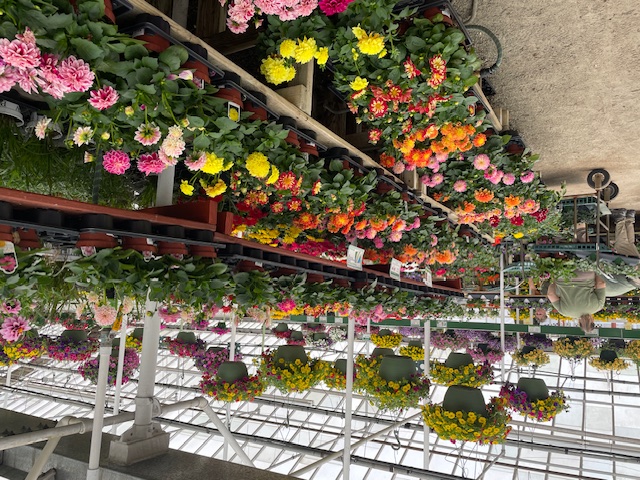
Everything on this checklist leads to the same place: your garden, right now, at the best part of the growing season. Maybe you need plants to fill a gap. Maybe you need supplies for your June to-do list. Maybe you just want a good conversation about what's working in the Dayton area this month. Knollwood Garden Center is here for all of it.
Our team lives and grows in this same climate. We love helping fellow gardeners make the most of every planting window. We're gardeners, just like you.
Stop by this weekend. Let's make the most of June.