
How to Design Your Dream Garden: Which Garden Style Is Right for You?
How to Design Your Dream Garden: Which Garden Style Is Right for You?
.jpg)
You want your dream garden to be brought to life. You might even have an ideal picture in your mind. But how do you make it a reality? We say it starts with understanding your style. Picturing a border spilling over a fence? Or a calm courtyard built around a single tree? Once you know what those styles are named, you'll have your map of how to make your dream garden your very own.
That's what this guide is for. When you know your desired garden style, you know which plants to buy and where to put them. Every style here is matched to what actually grows well in Ohio's Miami Valley. So you can take this garden inspiration straight out to your own yard, and none of it falls apart in a Zone 6 winter.
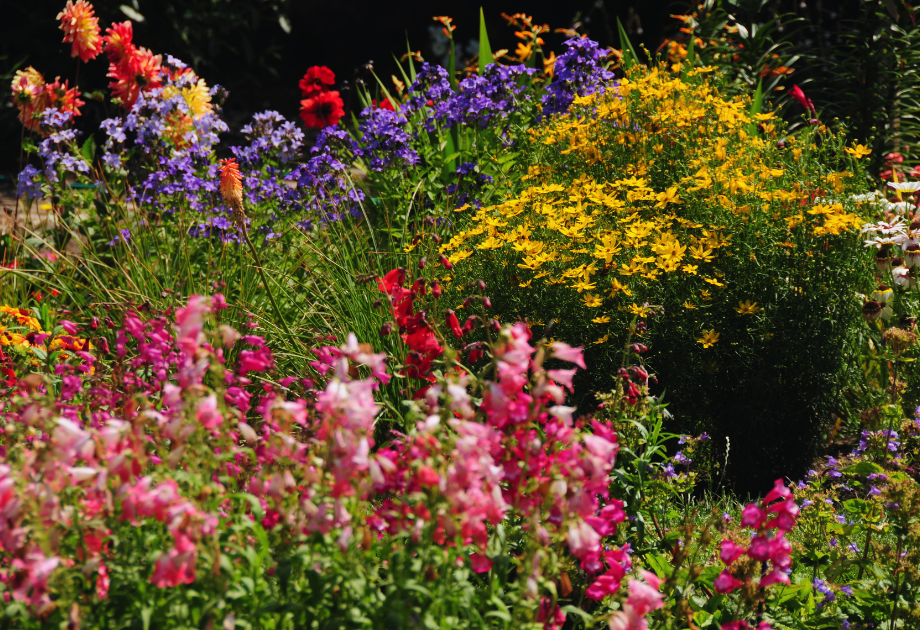
The Cottage Garden: Romantic, Full, and Forgiving
A cottage garden is that loose, overflowing look climbing up an old fence. The beds are dense and informal, and they spill into each other instead of holding tidy lines. That fullness comes from self-seeding plants, which drop seed and return on their own each year. So the garden fills its own gaps over time, and it grows fuller the longer you leave it be.
It's also the most forgiving style here. A little wildness reads as charm, not neglect, so a missed weekend of weeding barely shows. If you love a full garden but would rather not fuss, this one is for you.
A few cottage garden plants nail the look in Zone 6. Garden phlox and catmint give you that soft summer haze. Foxglove sends up tall spires for a little height, while wild geranium fills in low at their feet. Lamb's ears edges a path with soft, velvety leaves. Then, for the romantic backbone, plant a few reblooming shrub roses and let clematis lace up through them.
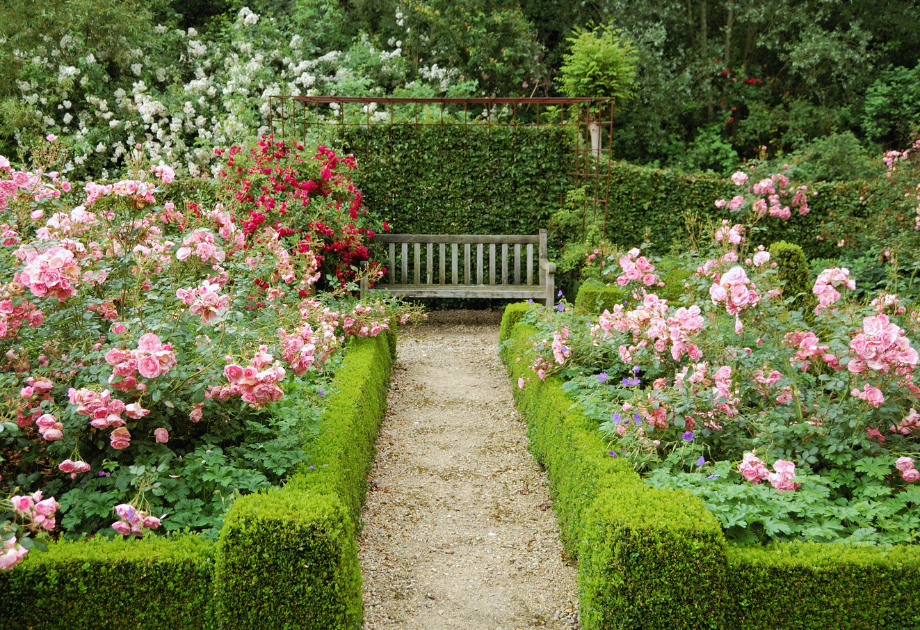
The English Garden: Structure, Symmetry, and Classic Roses
An English garden holds the same romance, but it keeps that romance composed. Where the cottage style spills, this one arranges itself into clear tiers. Low plants go along the front, then mid-height fillers behind them, and tall plants as a backdrop. Add clean edges, low clipped boxwood hedges, and formal rose plantings, and you've got that structured, classic feeling.
An English garden design looks its best when it's kept up, so it rewards a gardener who enjoys the routine. If tidying the beds on a Saturday sounds like a pleasure, you'll be happy here.
The right plants keep that upkeep light. Reach for structured perennials that hold their shape all season, like upright salvia and asters. They keep their form even between trims, so the bones of the garden stay crisp. Keep those edges clean, and the whole thing looks intentional from the first warm day right through fall.
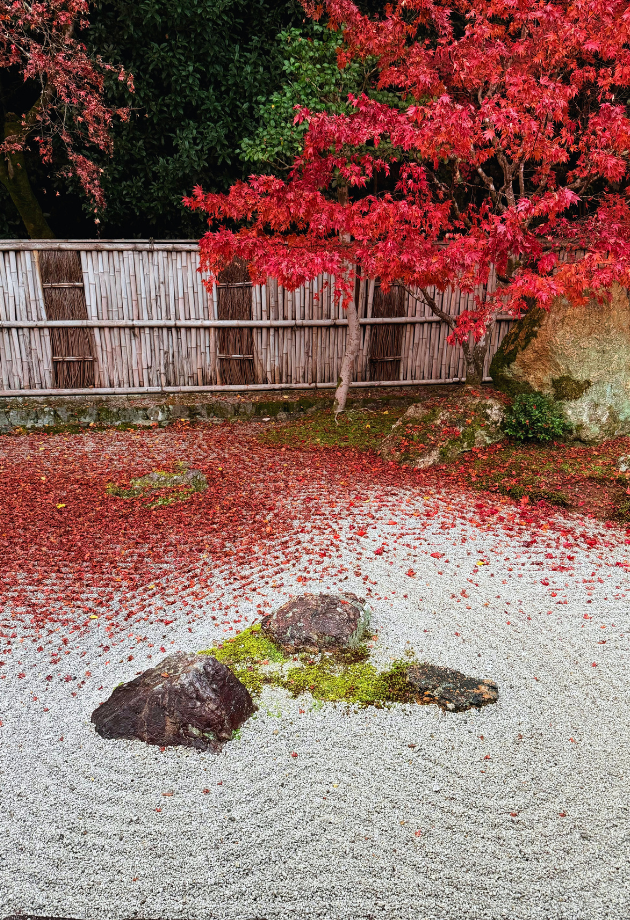
The Japanese Garden: Restraint, Stone, and Stillness
A Japanese garden says more with less. It's serene and controlled, and what you leave out shapes it as much as what you plant. The guiding ideas are restraint, asymmetry, and open, uncluttered space. That open ground is deliberate, because it gives the eye somewhere to rest, so every plant you do place feels intentional.
A few core elements do the work. Evergreen trees and shrubs give you year-round structure, and carefully placed stones anchor the scene. Water brings movement, though raked gravel can stand in for a stream where a pond won't fit. Low groundcover or a patch of moss then softens the ground between.
One bold plant ties it all together. A Japanese maple or a cold-hardy flowering cherry makes a natural anchor, drawing the eye and setting the tone. And the style scales down well, so even a small backyard corner can hold a calm, complete version.
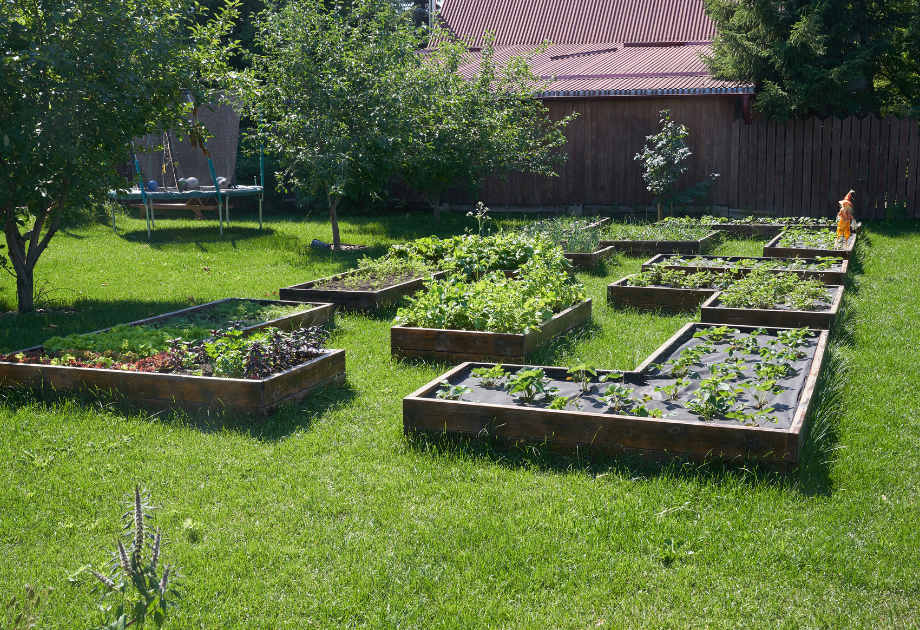
The Kitchen Garden: Beauty You Can Harvest
A kitchen garden is a vegetable garden composed to look as good as it produces. A plain vegetable patch is built for function, but this one is productive and pretty at the same time. The difference is all in the design: a geometric layout, structural raised beds, and decorative paths of brick or pea gravel. And the edibles get woven right into the design, so the whole space earns a second look.
That changes how the whole garden feels to use. You walk out to cut greens for dinner from a bed as handsome as any flower border. The meal and the view come from the same few square feet.
That look comes down to good pairings. Plant leafy greens and brassicas like kale and cabbage as your base. Then tuck marigolds and nasturtiums between them. The flowers pull in pollinators and help fend off pests. Our warm, humid summers make raised beds practical here, so start your vegetables and herbs in one. You'll get better drainage and an easier reach come harvest.
The Water Garden: Movement, Cool, and Calm
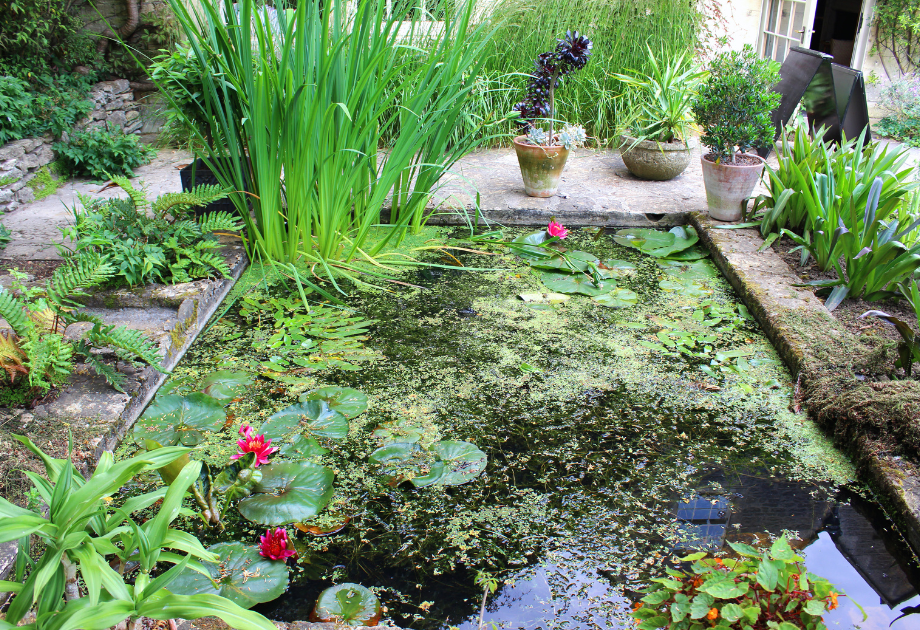
A water garden brings a dimension no other style can. You get sound, reflection, and movement all at once. On a hot Ohio afternoon, a view of cool water makes the whole yard feel more refreshing.
The useful thing to know is that a water garden is planted in layers, by depth. Submerged plants like hornwort sit below the surface, where they oxygenate the water and filter it. Floating plants like hardy water lilies rest on top, shading the water and slowing the algae that clouds it. Marginal plants then line the shallow shelves and edges. Water iris, horsetail rush, and cattails all do that job well.
The best part is that the right choices overwinter in Zone 6 without trouble, so a planted feature comes back on its own each spring. And the style scales down, too, so a dwarf cattail and a small lily suit a self-contained backyard feature just as well as a full pond. One small thing to remember: set a rock or a gentle ramp at the edge, so any wildlife that wanders in can climb back out.
The Rock Garden: Rugged, Sculptural, and Sun-Loving
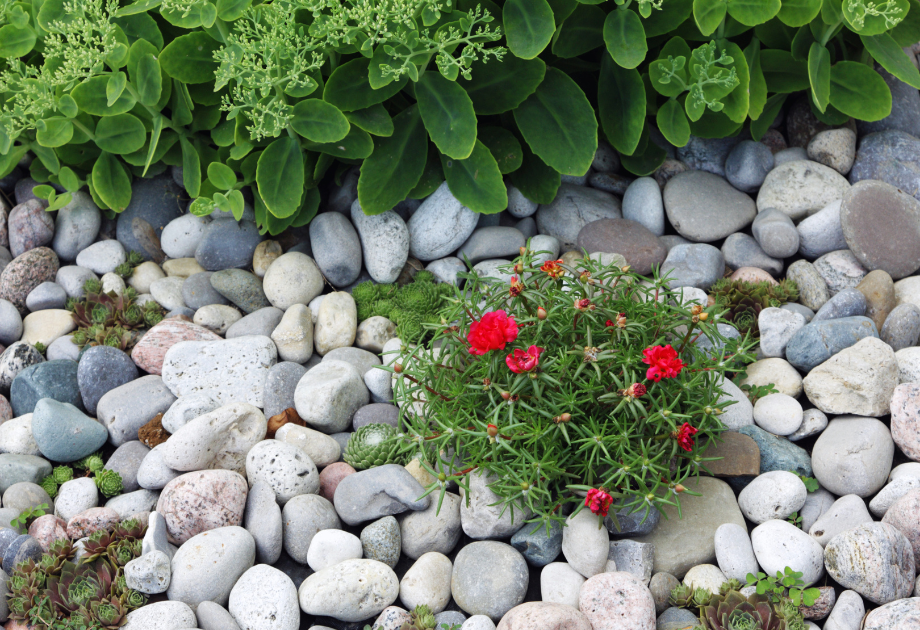
A rock garden is a low, rugged, alpine look built around weathered stone. Tough little plants tuck into the pockets between the rocks, so the texture comes from soft foliage set against hard stone. It's the right style for a sunny slope, or for a dry corner where little else will grow.
Building one here comes with a catch. Dayton sits on heavy clay, and clay holds water. Rock garden plants need fast drainage and will rot in soggy ground. So here, the soil is as much the project as the plants. You build it on a lean, gritty mix cut with sand and gravel, then mound it up so water runs off instead of pooling.
The right plants thrive once the drainage is solved. Stonecrop sedums like 'Autumn Joy' and hens-and-chicks store water in their leaves, so they shrug off dry spells. Tussock bellflower and prairie smoke handle our humidity well. Both hold up right through an Ohio August.
The Pollinator and Native Garden: A Yard That's Fully Alive
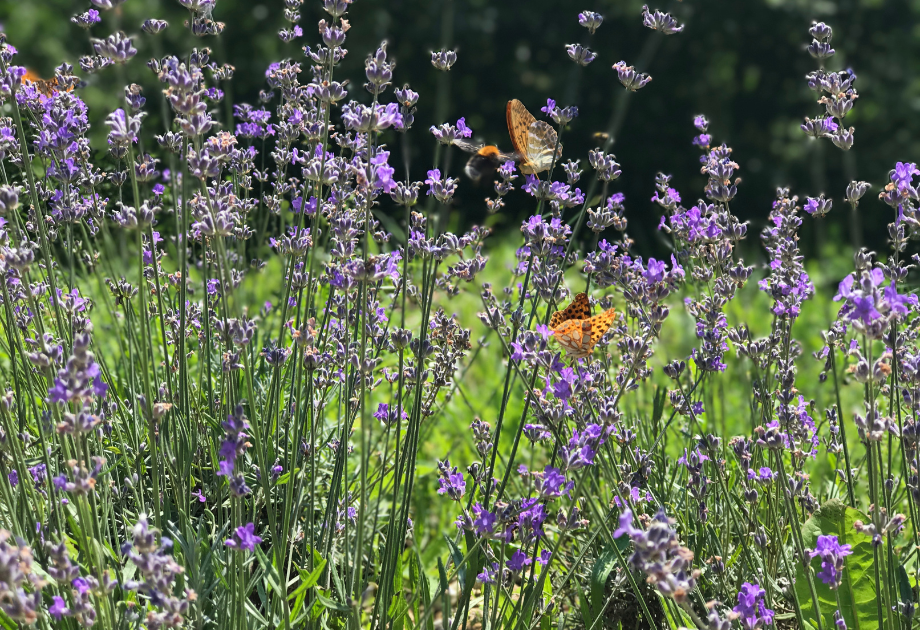
A pollinator friendly garden is built around a purpose rather than a look. A plant can draw pollinators without being native, and a native isn't always much help to the bees. But the native plants for a pollinator garden, the ones that do both, give you the best of each. You feed the local ecosystem, and the whole yard hums with bees, butterflies, and birds all season.
A garden like this has a beauty all its own, loose and full of life. And with a little structure, it looks just as deliberate as a clipped formal border. So think in layers, with low groundcovers up front, mid-height bloomers in the middle, and taller plants behind. Then group each kind in generous drifts rather than dotting them around. Laid out that way, the garden looks like one you planned, not one that got away from you.
To care for pollinators year-round, choose native plants that hand off from one season to the next. In spring, wild columbine opens just as the first hummingbirds return. Summer belongs to butterfly milkweed, which feeds the adult monarchs and hosts their caterpillars too. Come fall, New England aster and goldenrod fuel the monarchs heading south. And don't let goldenrod take the blame for hay fever, since ragweed is the true culprit there. Then winter does its own work behind the scenes. Leave the spent seed heads and native grasses standing through winter. They shelter overwintering insects, and the goldfinches pick at the seeds.
You Don't Have to Choose Just One
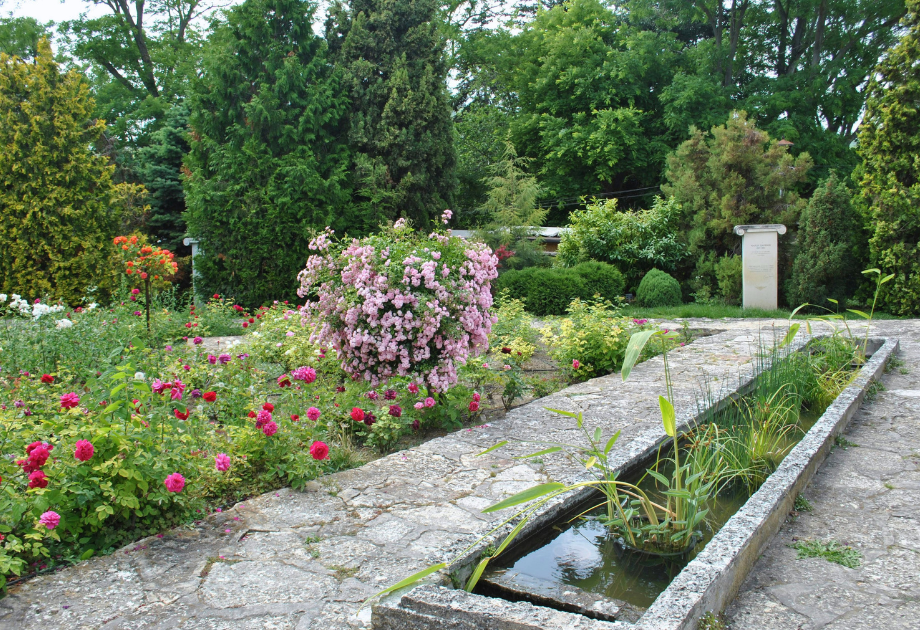
Many gardens borrow from more than one style, and you can too. Picking a favorite doesn't lock you out of the others, so a cottage gardener can still want a calm corner with a single maple. Blending works just fine, as long as you do it on purpose.
A few tricks keep a mix from looking scattered. Hold the whole yard together with one restrained color palette. Divide the space into zones, almost like rooms, and give each style its own area. Use neutral, structural plants like ferns and hydrangeas as the transitions between them. Then let one bold plant, like that Japanese maple, stand as a centerpiece in a calmer frame. It all comes back to solid groundwork and thoughtful plant layering, the same foundations a single style rests on.
Find Your Style at Knollwood Garden Center
Naming your style turns a vague picture into something you can shop for. You stop wandering the aisles hoping for ideas, and start looking for the specific plants that build the look you want. And the rest of the choices follow from there.
That's where we come in. Come find the perennials, roses, water plants, vegetables, and natives behind these styles. Our team can help you match them to the look you want. We're gardeners, just like you, so we'd rather hear about your yard than sell you a cart of plants that won't suit it. Stop by Knollwood Garden Center this weekend, and let's find your style together. See you soon!