
How to Design Your Dream Garden: A Guide to Layering Plants for Shape, Color, and Structure
How to Design Your Dream Garden: A Guide to Layering Plants for Shape, Color, and Structure
.jpg)
A customer came in last spring with a sketch of her garden and a lot of enthusiasm. She knew where the sun hit her yard and when, she knew what she wanted it to feel like by midsummer, and she was ready to go. We spent a happy half hour walking the aisles together, picking plants for specific spots in her beds. By the time we were done, every plant in that cart had a job in her garden. That's layering, and it's one of our favorite things to help people plan.
This is Part 2 of our How to Design Your Dream Garden series, and it's your field guide to building beds with depth and color that lasts all season. We'll walk through the five plant roles that make a garden feel full. We'll talk about color. And we'll show you how to stagger your blooms so something is always performing.
What Makes a Garden Look Full and Layered
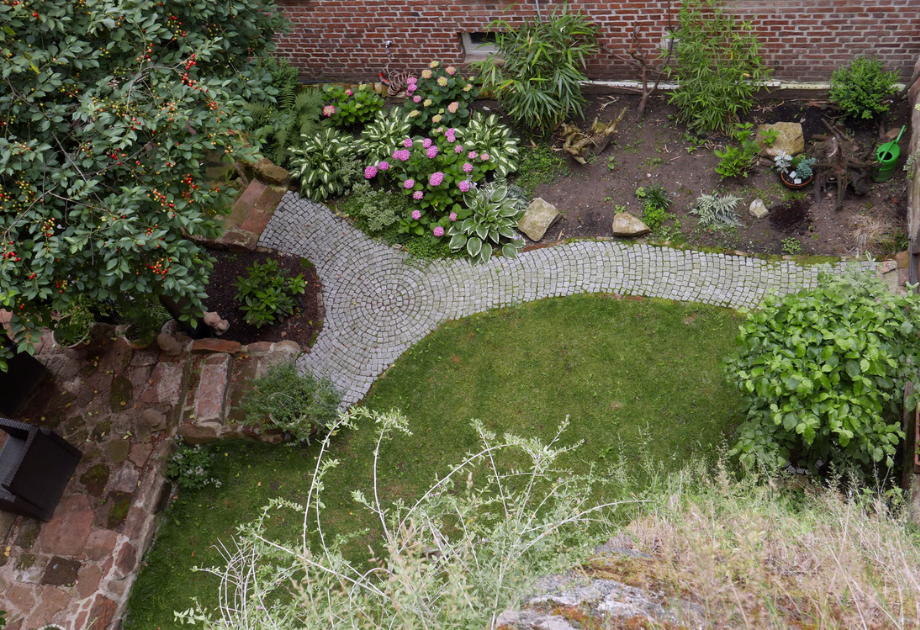
A flat bed of plants that are all the same height gives the eye nowhere to go. It scans across, takes it in, and moves on. A layered bed pulls you in. Taller plants in the back create a backdrop. Mid-height blooms fill the middle so there's always something overlapping something else. Low growers at the front edge spill into the path and make the bed feel like it's bursting at the seams. The eye moves through the planting instead of across it, and that depth is what creates the lush, full look.
There are practical perks, too. Denser plantings mean less weeding and better moisture in the soil. Pollinators and butterflies benefit too. When something is always blooming, there's always something worth visiting.
The Five Plant Roles: Your Field Guide
Here's your cheat sheet. Every great garden bed is built from plants doing distinct work at different levels. When those positions are filled, the whole thing comes together. These roles work the same way in a wide perennial border, a compact raised garden bed, or a cluster of patio containers.
| Role | What It Does | Where It Goes | Zone 6 Picks to Try |
| Anchors | Set the structure of the bed. These are the "bones" that everything else plays against. They create height, scale, and a little shelter for what grows around them. | Back of the border or center of an island bed | Limelight hydrangea, Karl Foerster feather reed grass, winterberry holly |
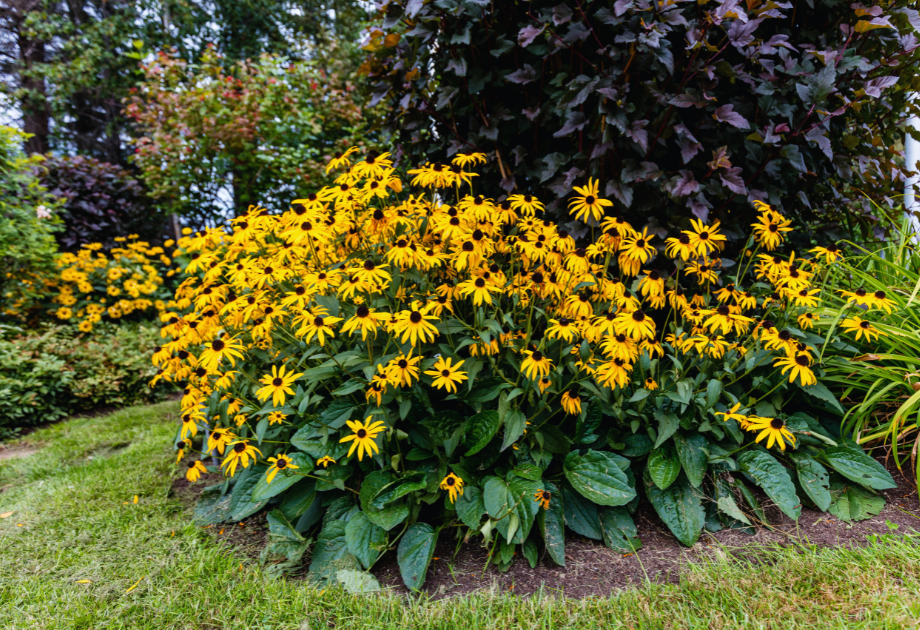
| Fillers | Bring the color and texture that make a garden feel alive. Mix early, mid, and late bloomers here so this layer keeps changing all season. | Mid-layer, between your anchors and your edges | Coneflowers, black-eyed Susans, daylilies, salvia, catmint |
| Spillers & Groundcovers | Soften hard edges, fill the ground so bare soil disappears, and connect your beds to paths and lawn. This is the layer most gardens are missing. | Front edges, over raised bed walls, between stepping stones | Creeping phlox, sweet woodruff, creeping Jenny, lamium |
| Climbers | Add a whole vertical dimension to your bed. The structure they grow on (trellis, arbor, fence) becomes part of the design. | Along a garden trellis, fencing, pergola, or obelisk | Clematis, New Dawn climbing rose, trumpet vine |
| Foliage Players | Hold the whole picture together between blooms. Leaf color, shape, and texture keep beds interesting even when nothing is flowering. | Woven through every layer | Hostas, heuchera, lamb's ear, ornamental grasses |
You don't need every role in every bed, but the more positions you fill, the fuller and more intentional your garden design will feel. Even filling one gap, like adding spillers to beds that currently stop short at the edge, can make a surprising difference.
 (1).png)
Color Flow: How to Keep Your Garden Performing All Season
This is the part that's just pure fun. You get to pick the colors you love and figure out how to keep them going from spring through frost. The one principle that ties everything together is repetition. A bed with three colors can look intentional. So can a bed with thirteen. The trick is repeating those colors in more than one spot so they echo through the bed.
Pick a Palette and Stick with It
There's no single right palette. The right one is the one that excites you when you walk outside. Here are some directions to explore:
Cool and calming: Blues, purples, lavenders, and soft pinks create a bed that feels relaxed and spacious. Salvia, catmint, lavender, and blue hydrangeas all live in this range.
Warm and bold: Reds, oranges, yellows, and golds bring heat and energy. Coneflowers, black-eyed Susans, daylilies, and bee balm carry this palette from late spring well into fall.
Sunset tones: Corals, peach, warm gold, and deep amber blend together the way a late-summer sky does. Yarrow, heuchera, daylilies, and rudbeckia work beautifully here.
Drama and jewel tones: Deep burgundy, rich purple, near-black foliage, and dark blooms bring intensity and mood to a bed. Try 'Black Lace' elderberry, purple smokebush, dark-leaved heuchera, or deep clematis varieties. These plants make a bold statement.
Bright and mixed: This is the cottage garden approach, full of color and personality. Zinnias, phlox, coneflowers, daisies, and coreopsis all tumbling together. Repetition matters the most here. When you repeat the same colors in multiple spots across the bed, even a dozen different hues feel like they belong together.
Any of these directions can work in a layered bed. The color wheel is a great resource if you want to dig into why certain combinations feel harmonious and others feel energizing. And if you're feeling stuck, try picking two or three bloom colors you love and planting them in more than one layer. That repetition pulls a bed together fast.
Stagger Your Blooms by Season
Plan your bed so something is handing off color in every seasonal window:
- Early spring: Hellebores, creeping phlox, catmint, sweet peas
- Late spring/early summer: Clematis, salvia, daylilies, green beans
- Midsummer: Coneflowers, black-eyed Susans, hydrangeas, tomatoes
- Late summer into fall: Ornamental grasses, asters, sedum, kale
Your anchor shrub might peak midsummer while your fillers or vegetables deliver spring and fall color. Your groundcover opens the season early and stays green through every transition. When bloom timing and structural roles work together, your garden never hits a dull stretch.
Build Your Layered Garden with Knollwood Garden Center
Layering is a lot more fun when you've got someone to plan with. Bring your sketch, your questions, or just your enthusiasm, and our team will help you match plants to the roles your garden needs. We work with flower beds, vegetable gardens, containers, and everything in between. We carry perennials, shrubs, grasses, and vines chosen for our local growing conditions. There's nothing we love more than helping a fellow gardener turn an idea into a plan.
Stay tuned for Part 3 of this series, where we'll bring the layering framework to life with real Zone 6 plant combinations you can put together this season.
We're gardeners, just like you. Stop by Knollwood Garden Center this weekend, and let's build something beautiful together!