
Houseplants for Every Home and Every Lifestyle
Houseplants for Every Home and Every Lifestyle
.jpg)
Most plant guides tell you what's easy or what's popular. What they don't tell you is whether a plant will actually work in your home, with your schedule, around your pets, in your light. We're gardeners, just like you, and helping you find that match is what we do.
Indoor plant success depends less on botanical skill and more on honest assessment of your space and lifestyle. We see it all the time: a sun-loving plant will languish in a north-facing apartment; a high-maintenance plant won't thrive if you're always traveling. When the right plant lands in the right conditions, you're not struggling to keep things alive. You're just enjoying them.
This guide organizes common house plants by the factors that actually determine whether they'll thrive: your light, your time, your household, and your space. Each section helps you narrow options, so you can choose with confidence instead of guessing.
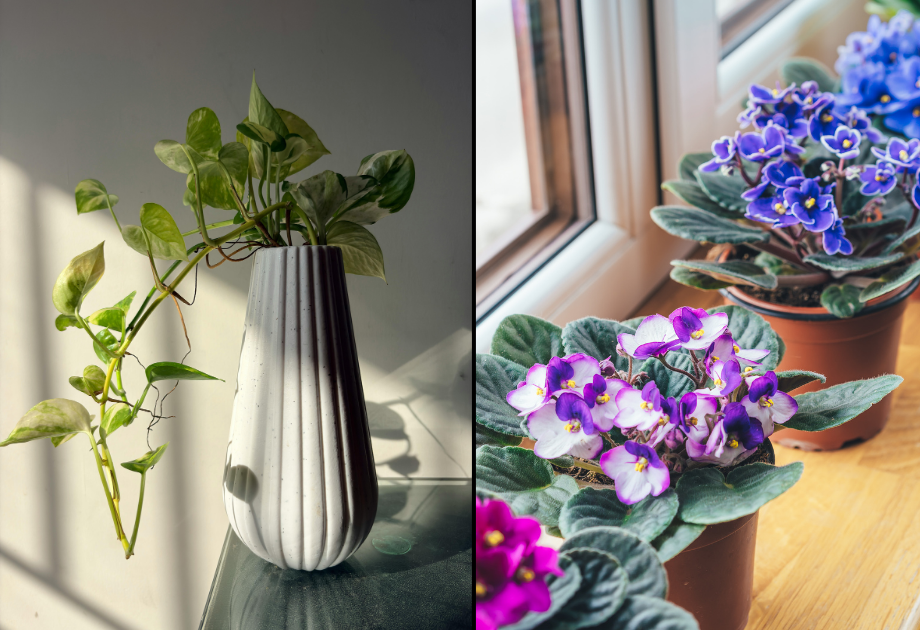
Bright Light vs Low Light Homes
Available light is where most plant decisions should begin, and for good reason. Get it wrong, and even the easiest plant will struggle; get it right, and suddenly you're working with the plant instead of against it. Understanding your light is the first filter that makes everything else fall into place.
Bright Light Plants
If you have south or east-facing windows with several hours of direct sun, you're set up for plants that thrive in brightness. These plants don't just tolerate bright light; they require it to look their best. Without enough sun, growth slows, leaves fade, and blooms disappear.
Best options for bright light:
- Aloe vera
- Jade plants
- Variegated pothos (holds color in strong light)
- Fiddle leaf figs
- Crotons
- Tropical houseplants like hibiscus
- Flowering house plants such as African violets and kalanchoe
Low Light Plants
If your home leans dim (north-facing windows, tree-shaded rooms, or interiors far from natural light), you're working with low light house plants, and that's completely workable. These plants have adapted to forest floors and understories. They grow slower, need less water, and ask very little of you in return.
Best options for low light:
- Snake plants
- ZZ plants
- Pothos
- Philodendrons
- Peace lilies
- Cast iron plants
- Parlor palms
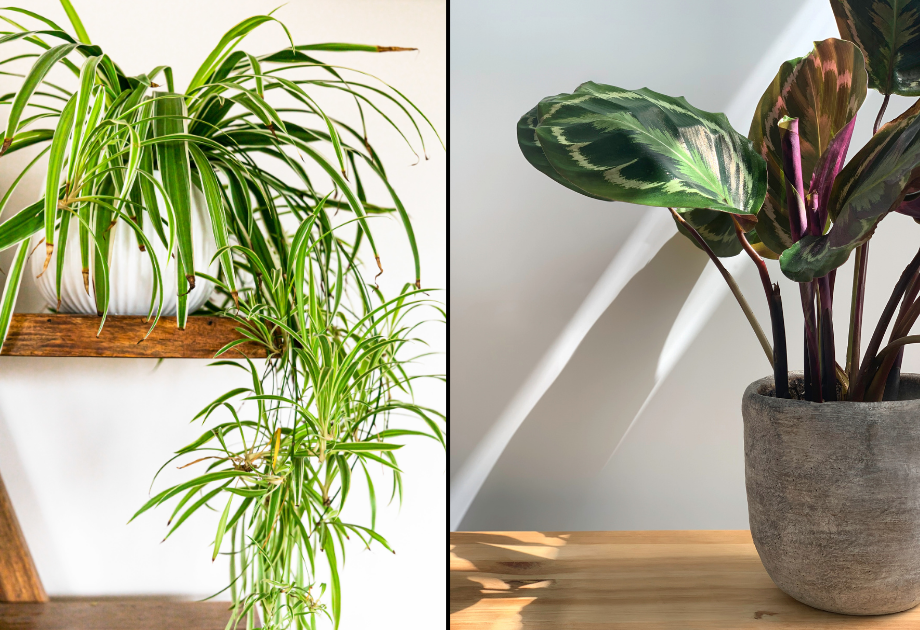
Low Maintenance vs Hands-On Plant Care
Time and routine matter more than most people realize. Roughly 60% of plant owners say overwatering is their biggest mistake, which tells you that attention without knowledge can backfire. The real question is whether you want a plant that thrives on benign neglect or one that rewards daily care.
Low-Maintenance Plants
Low-maintenance house plants suit people who travel, forget to water, or just prefer plants that don't demand much. The easiest indoor plants to grow are the ones that forgive inconsistency. They adapt to irregular watering, bounce back from minor neglect, and don't require precise humidity or feeding schedules.
Best low-maintenance options:
- Snake plants (store water in leaves and roots)
- ZZ plants (drought-tolerant by design)
- Succulents (aloe, jade, echeveria)
- Pothos
- Spider plants
- Rubber plants
Hands-On Plant Care
Some plants ask for more, and if you enjoy the ritual of checking soil, misting leaves, or adjusting conditions, that's where the satisfaction lives. This isn't harder; it's just more involved. If plant care sounds like a hobby rather than a chore, these are the ones that give back in blooms, texture, and the pleasure of mastering something specific.
Plants that reward attention:
- Orchids
- Ferns (Boston ferns, maidenhair ferns)
- Calatheas (prayer plants)
- Venus Flytraps
- Alocasias
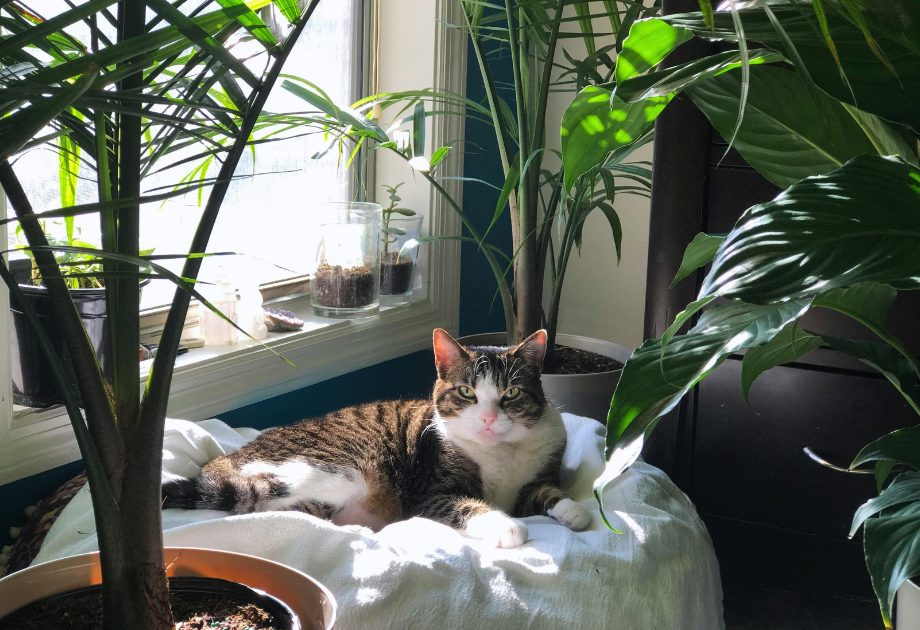
Homes with Pets
When it comes to pets and plants, there's no middle ground. Either a plant is safe, or it carries risk, and the consequences range from mild stomach upset to serious harm. Plants and fungi account for about 8% of pet toxin exposures, and certain types of house plants show up more often than others in those cases.
Pet Safe Plants
Pet friendly house plants give you peace of mind without limiting your options. ASPCA's list of pet-safe options includes dozens of beautiful choices that let you relax if you have a cat that chews or a dog that investigates.
Safe plants for homes with pets:
- Spider plants
- Boston ferns
- Parlor palms
- Peperomia
- Air plants
- Haworthia (succulent)
- Prayer plants
- Calathea
Pet Risky Plants
Pothos, philodendrons, peace lilies, and snake plants are popular, widely available, and toxic if ingested. Lilies are especially dangerous for cats; even small amounts can cause kidney failure. ASPCA's guide to risky plants breaks down symptoms and severity. High shelves, closed rooms, or hanging planters keep curious pets out of reach.
Plants to place carefully around pets:
- Pothos
- Philodendrons
- Peace lilies
- Snake plants
- Lilies (especially dangerous for cats)
- Sago palms
- Dieffenbachia
- Jade plants
One thing to note: while these plants are safe for your pets, your pets might not be safe for your plants. Knocked-over pots, dug-up soil, and chewed leaves are all fair game for curious animals. Placement still matters, even when toxicity isn't a concern.
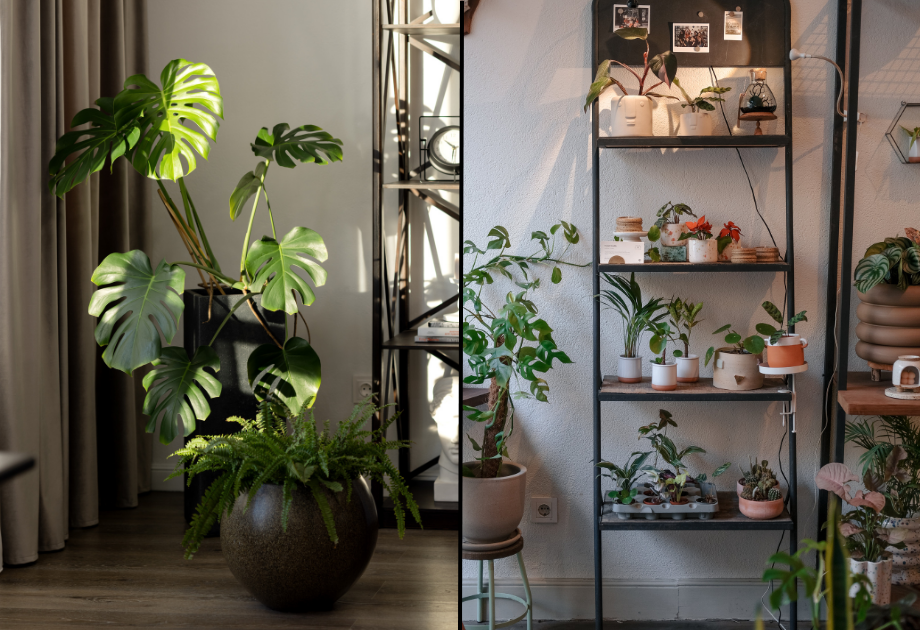
Decor-Forward Plants vs Indoor Sanctuary Spaces
Some plants are chosen for looks; others are chosen for how they make a room feel. Both are valid, and both serve different goals.
Decor-Forward Plants
If you want visual impact, go for plants with bold structure and color. These are the plants that stop people in their tracks—dramatic foliage, striking blooms, architectural shapes. They're chosen to anchor a room, fill empty corners, or complete a design vision. These plants command attention. They're conversation starters, focal points, and the finishing touch that pulls a room together. If your goal is high-drama decor, these are the plants that deliver.
Statement plants for visual impact:
- Fiddle leaf figs
- Monstera deliciosa
- Flowering house plants like orchids
- Anthuriums
- Cyclamen
- Kalanchoe
- Jasmine
- Azaleas
Plants for Calming, Lived-In Spaces
If you're after a space that feels restorative, plants contribute more than aesthetics. Studies show they reduce stress, and research suggests they can improve focus, especially when you interact with them regularly. These plants soften edges and shift how a room feels when you walk into it. Plants can also offer seasonal benefits: Indoor gardening through winter supports mental health and creates a living, breathing environment, while bringing spring color indoors or adding winter blooms can lift your mood when you need it most.
This is where easy indoor plants become part of daily life rather than decoration. They're chosen for function, for calm, for the way they make a space feel like home instead of a showroom. If you want plants that work in the background while you live, breathe, and relax, these are the ones that deliver.
Plants for calm, functional spaces:
- Snake plants
- Pothos
- Peace lilies
- Spider plants
- Dracaena
- Rubber plants
Small Spaces and Apartment Living
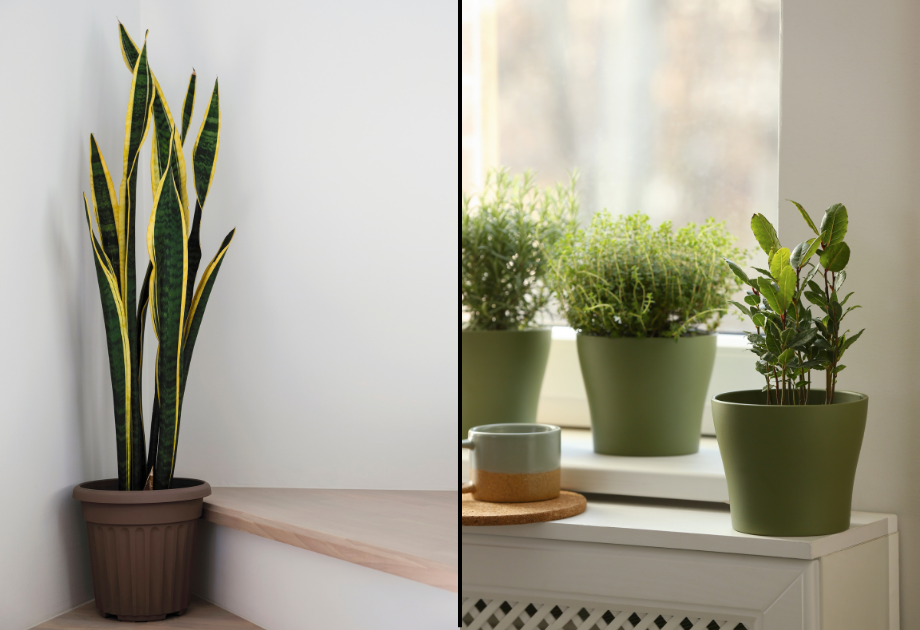
Apartment living and compact homes call for plants that use space efficiently. Compact plants, vertical growers, and multipurpose picks all work in tight quarters.
Compact and Vertical-Friendly Plants
Climbing house plants trail or climb, using vertical space instead of crowding surfaces. Small plants fit on shelves, windowsills, and desks without overwhelming a room. Choosing the right pot size keeps plants healthy, and kitchen herbs add function to small spaces.
Plants that scale to fit:
- Pothos (trails or climbs)
- Philodendron micans (climbing vine)
- English ivy
- Peperomia (stays compact)
- Air plants (no pot needed)
- Succulents (windowsill-friendly)
- Herbs (basil, thyme, mint)
Statement Plants That Still Fit Smaller Homes
You can still have a statement plant in a small space. The key is choosing plants that grow vertically without spreading wide, suiting your ceiling height and floor plan.
Vertical growers for compact spaces:
- Rubber plants
- Snake plants (tall, narrow footprint)
- Parlor palms
- Monstera adansonii (Swiss cheese plant)
- ZZ plants (sculptural presence)
- Dracaena
Find the Houseplant Right for Your Space at Knollwood Garden Center
Plant success starts with choosing well, and choosing well starts with knowing your home and lifestyle. Light, time, pets, goals, and space are the filters that narrow thousands of options into a handful that actually fit.
At Knollwood Garden Center, we're gardeners, just like you, and we're here to help you match plants to your life. Contact us today or stop by this weekend so we can talk through what you're working with. Every home and every lifestyle has plants that fit. We'll help you find yours.