
Winter Plant Care in Zone 6 That Helps Your Garden Thrive
Winter Plant Care in Zone 6 That Helps Your Garden Thrive
(1).png)
Frost crystals edge your trees’ leaves, your lawn crunches underfoot, and your garden beds icily glisten in the clean, white, winter sun. With the first hard freeze, winter arrives and changes the landscape quickly.
In Zone 6, that first freeze marks the beginning of active winter care. Cold snaps, snowfall, and fluctuating temperatures can damage exposed roots, weaken perennials, and stress container plants that are left unprotected. Without a bit of attention, it’s easy to lose growth you worked hard for all season.
This blog will walk you through what to do, when to do it, and which plants can keep your garden going through the cold months ahead.
Protecting Your Garden from Frost and Snow in Zone 6
Zone 6 winters come with wide temperature swings. A mild afternoon can turn into a hard freeze overnight, and the pattern often repeats for days or even alternating weeks. That variation can be hard on plants, especially those with exposed crowns or shallow roots.
Winter protection works best when it’s treated as ongoing care. Once the ground freezes, some materials and techniques are less effective. Starting early and adjusting as the weather shifts helps more plants come through in good shape.
Here’s how to set your garden up for steady protection.
Methods for Covering and Insulating Plants
When frost is in the forecast, breathable covers can help reduce damage to exposed foliage. Good materials include:
- Frost cloth
- Burlap
- Cotton sheets
Plastic can create condensation that freezes against the plant, so it’s best avoided or used only with a buffer layer underneath.
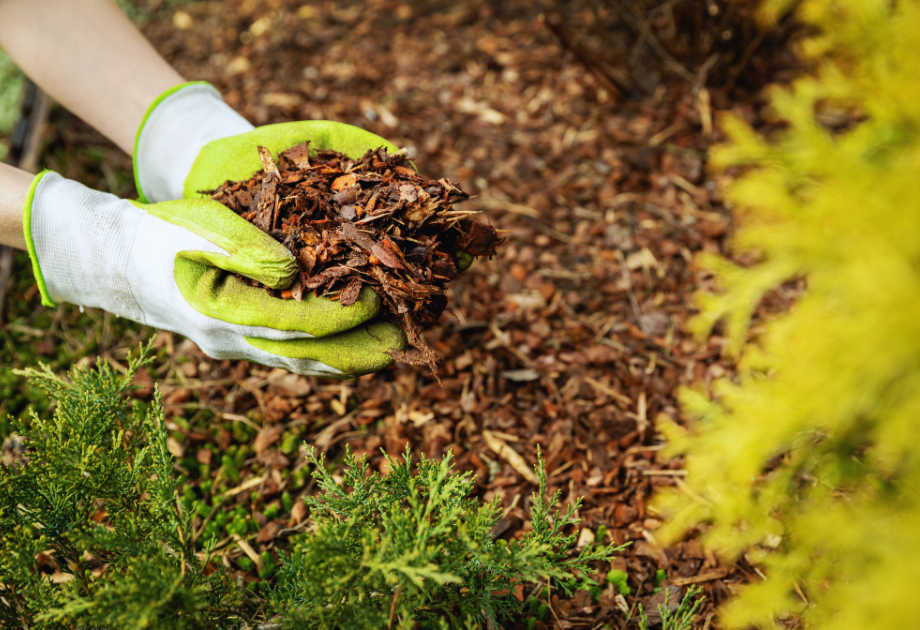
Soil protection is important, too. When the ground freezes and thaws repeatedly, roots are more likely to dry out or become stressed. Adding mulch helps to stabilize soil temperatures and maintain moisture. If a freeze is expected and daytime temperatures are still above freezing, lightly watering the soil beforehand can also help retain warmth overnight. For most garden beds:
- Apply two to four inches
- Keep it slightly pulled back from crowns and stems
- Re-check depth mid-season and top off as needed
Apply mulch once the soil starts to cool, but before the first deep freeze.
Timing Your Protection Efforts
Frost usually follows a clear, still evening after a mild day. It can begin forming when air temperatures fall to around 32°F, even if the forecast doesn’t call it out directly. That kind of weather can show up early in the season (October) and keep returning through spring (April). Look for visual cues like frost on rooftops, icy patches on the lawn, or condensation on windows. These early signs are a good prompt to cover plants that need protection.
Covers should go on before sunset to help hold warmth in the soil. Take them off in the morning once temperatures rise, so air can circulate and light can reach the plant. Snow can act as insulation if it lands on a well-mulched bed, but when it starts piling up on shrubs or broadleaf evergreens, it’s best to remove it before branches bend or split.
Caring for Container Plants Through the Cold Months
Container gardens face different challenges than in-ground beds. With less soil to buffer the cold, pots cool faster and stay frozen longer, which puts roots at greater risk. Many gardeners use containers throughout the year, whether for herbs on a balcony, winter porch pots, or added structure in a larger bed.
Wherever they’re placed, winter care for containers just calls for a few adjustments to help them hold up in colder conditions.
Grouping and Sheltering Containers
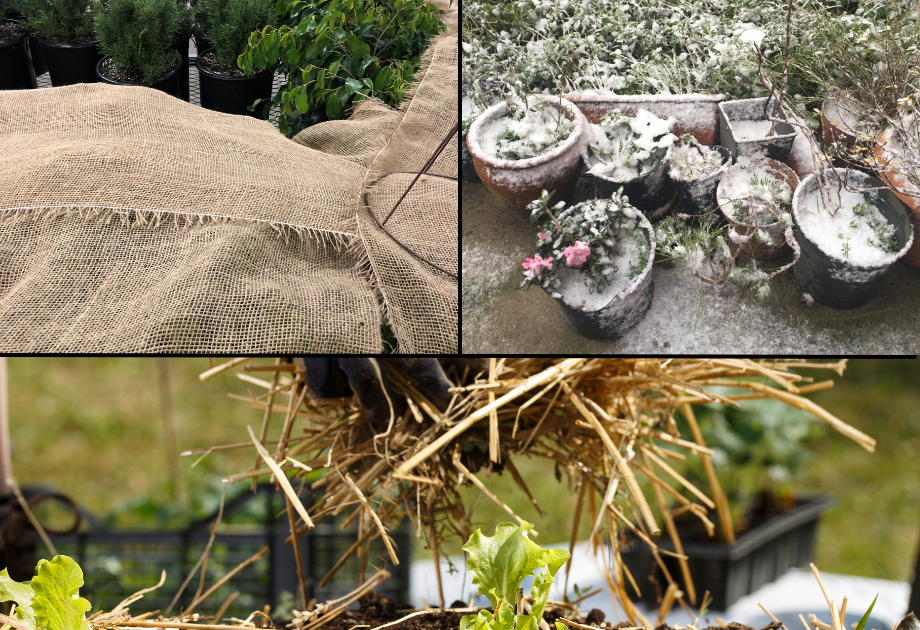
When containers stay outside through the winter, clustering them helps retain warmth and reduce exposure. To protect them more effectively:
- Place pots close together to create a pocket of still air
- Position them near a wall, especially on the south or west side
- Set containers on coir mats, bricks, or wood to insulate from the ground
- Wrap thin or decorative pots with burlap, straw, or fabric
These adjustments help buffer cold swings and reduce root stress throughout the season.
Bringing Tender Plants Indoors
Some container plants won’t tolerate winter outdoors, even with extra protection. Annuals, tropicals, and non-hardy perennials should be brought inside before the first hard frost.
Before moving them:
- Trim back leggy growth
- Check for pests
- Water lightly if the soil is dry
If possible, transition plants gradually by placing them in a shaded porch or garage for a few days before moving them fully indoors. Once inside, reduce watering and hold off on fertilizing until spring.
Cold-Hardy Plants That Keep Your Garden Thriving in Winter
Not everything in the garden needs to be shielded from the cold. Some plants are naturally equipped to handle winter while continuing to offer color, structure, and texture even after the first freeze.
Adding these plants to your landscape helps reduce winter maintenance while keeping the garden visually active. They bring shape to empty beds, draw attention during gray weather, and in some cases, provide fresh ingredients or even habitat for wildlife through the colder months.
Evergreens and Structural Plants
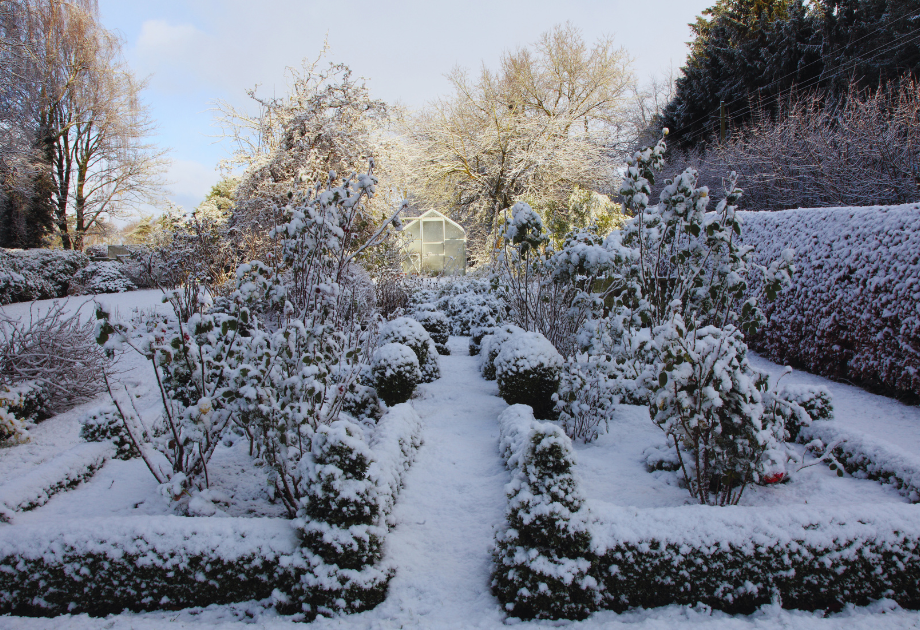
Evergreens add shape and color to the garden when most other plants have gone dormant. Shrubs that hold their form through winter include:
- Boxwood
- Spruce
- Arborvitae
These plants work well along walkways, in foundation beds, or as anchors in the landscape. Dwarf conifers and upright varieties are good options for smaller spaces.
For contrast and structure, also consider:
- Red-twig dogwood
- Upright junipers
These add strong lines and visual interest even in snow-covered beds.

Blooming and Decorative Winter Performers
Some plants continue to offer visual interest throughout winter. Good options include:
- Hellebores, which bloom during warmer spells even when snow is still on the ground
- Coral bells, with colorful foliage that holds through most of the season
- Ornamental grasses, which retain height and texture when left standing with seed heads intact
These plants do well in both beds and containers and require little attention beyond cleanup in early spring.

Herbs and Vegetables That Withstand the Cold
Cold-season vegetables can keep producing well into winter with the right setup. Raised beds and grouped containers help maintain warmth, especially when combined with mulch or lightweight covers. Leafy greens and root crops tend to handle cold weather best, and many actually improve in flavor after a few frosts.
Some of the most reliable choices include:
- Kale
- Spinach
- Collards
- Carrots
- Beets
- Turnips
- Radishes
- Cabbage
These vegetables are sturdy enough to stay in the ground longer and offer fresh harvests even when daytime temperatures drop.
Cold-hardy herbs also deserve a place in the winter garden. Sage, thyme, parsley, and chives tend to keep growing into winter, especially when planted near the house or tucked into a protected spot. They may grow more slowly in colder weather, but most continue to provide usable leaves and keep some green in the garden through the season.
Winter Plant Care with Knollwood Garden Center by Your Side
Caring for your garden doesn’t stop when the weather turns. Winter is part of the rhythm, and a little preparation can keep your plants healthier through the cold months ahead.
At Knollwood, we garden through the same Ohio winters you do. Our team can help you choose hardy plants that fit your space, talk through protection strategies, and point you to the supplies that make a difference. You can contact us here to get answers, recommendations, or help planning your next step. We’re gardeners, just like you.