
Seasonal Secrets: What You Can Plant in March (and What Needs to Wait) for Zone 6
Seasonal Secrets: What You Can Plant in March (and What Needs to Wait) for Zone 6
.jpg)
March in the Miami Valley is a tease. One afternoon you're in a t-shirt soaking up sunshine; the next morning there's frost on the windshield and you're second-guessing everything. If you've been eyeing your bare garden beds (or wandering the aisles with a cart full of maybes), you're not alone. Every year, we hear the same question from fellow gardeners: What can I actually plant right now without losing it all to a late freeze?
Turns out, there's plenty you can do this weekend. This zone 6 planting guide breaks down what thrives in March's unpredictable weather, what benefits from a head start indoors, what to plant soon, and what truly needs to wait. Consider it your spring planting field guide, straight from gardeners who know this climate inside and out.
What You Can Plant Right Now in March
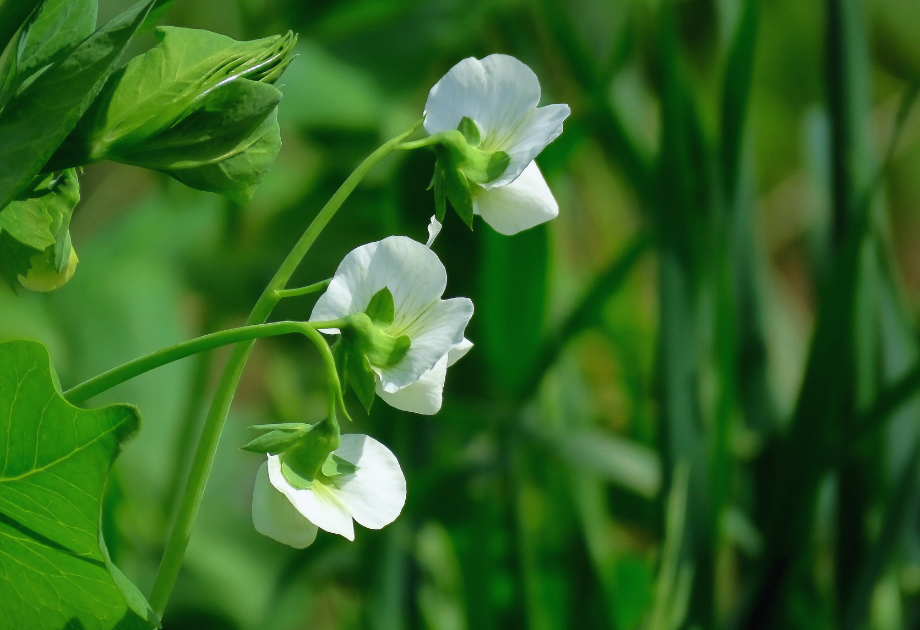
Here's the part you really came for: the green light list. These plants don't just survive March's mood swings; they actually prefer cool weather. Cool-season vegetables and hardy flowers germinate in soil temperatures as low as the mid-30s to low-40s°F, which means they're built for exactly what our Zone 6 climate dishes out this time of year.
Cool-Season Vegetables That Love March's Chill
Peas, lettuce, spinach, onion sets, and radishes are your March MVPs. These crops germinate in soil as cool as 35–40°F, and here in the Dayton area, sunny garden beds often hit that range by late March. Even better, these vegetables perform best in cool weather. Once summer heat rolls in, lettuce bolts, spinach turns bitter, and peas wind down, so planting now gives them their longest, most productive window.
If you're newer to vegetable gardening, this is a fantastic place to start. Peas practically grow themselves, leaf lettuce is ready to harvest in weeks, and radishes reward you fast. Tuck spinach into a raised bed or container, scatter some onion sets along a row, and you've got the beginnings of a productive spring vegetable garden before April even arrives.
Hardy Flowers Ready to Bloom
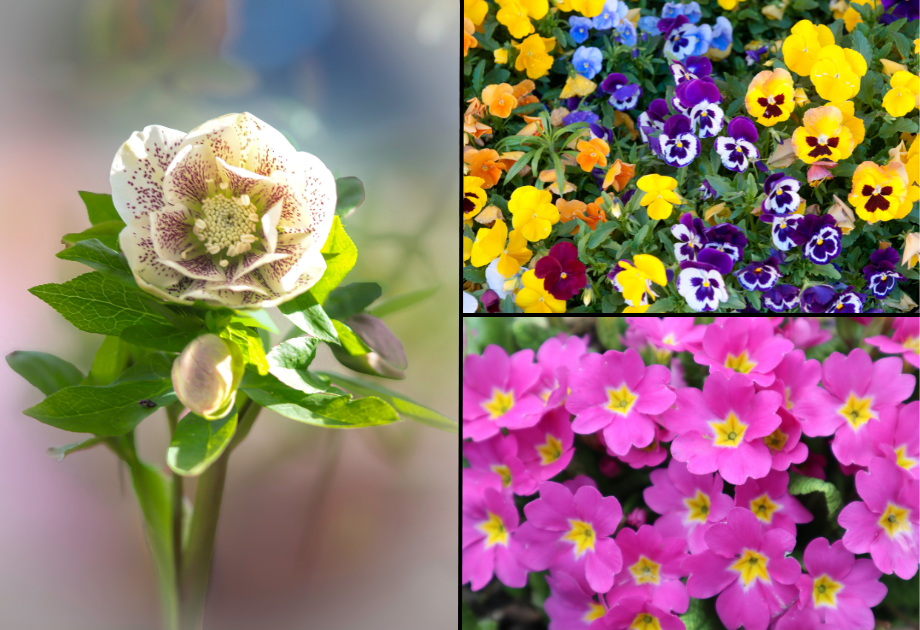
Want color in the garden now, not months from now? Pansies, primrose, and hellebores handle frost and even light freezes without flinching, and they'll reward you with bright, cheerful blooms while the rest of the garden is still waking up.
They're perfect for containers, front walkway beds, or filling in gaps where perennials haven't emerged yet. If you've been craving that first burst of spring color, these hardy flowers deliver. We've rounded up even more flowers that bloom in March if you're looking for inspiration.
What to Prep Now for Later Success
Not everything is ready for the ground yet, but that doesn't mean you're stuck inside. Some of the most impactful gardening happens now, weeks before warm-season plants go outside. The effort you put in this month sets your whole spring up for stronger plants, better yields, and healthier blooms.
Start These Seeds Indoors This Month
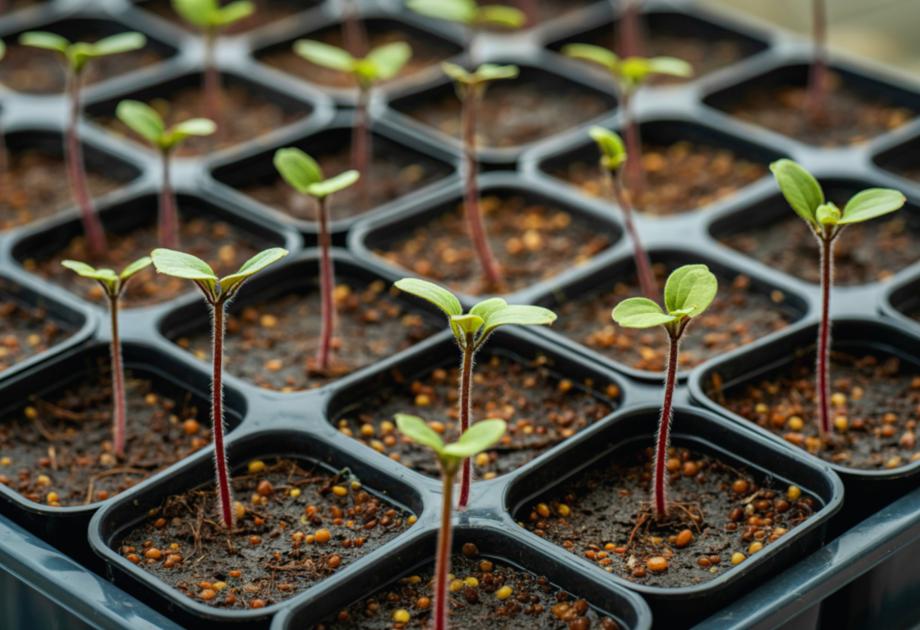
Tomatoes, peppers, eggplant, and other warm-season favorites need consistent soil temperatures of 70–95°F to germinate well. March soils in Zone 6? They're hovering around 40–50°F. That's paradise for peas but a death sentence for a tomato seedling.
The workaround: start seeds indoors now, about six to eight weeks before your last expected frost. A warm, well-lit spot and consistently moist soil are all they need, and by the time conditions are right outdoors, you'll have sturdy transplants ready to go. It's the best way to satisfy the urge to plant something right now while giving heat-loving crops the runway they need.
Prepare Your Beds and Improve Your Soil
If you can work the ground, this is prime time for preparing soil and getting beds in shape. Add compost, work in amendments, and clear out last season's debris. A quick test: grab a handful of soil and squeeze. If it crumbles apart easily, you're good to dig. If it holds together like clay, give it a few more days to dry out.
March's moisture levels make it ideal for mixing in organic matter, and the work you do now means less scrambling when planting windows get tight in April and May. Our beginning groundwork guide walks through planning and layout if you're starting fresh.
What to Plant Soon: Trees, Shrubs, and Perennials
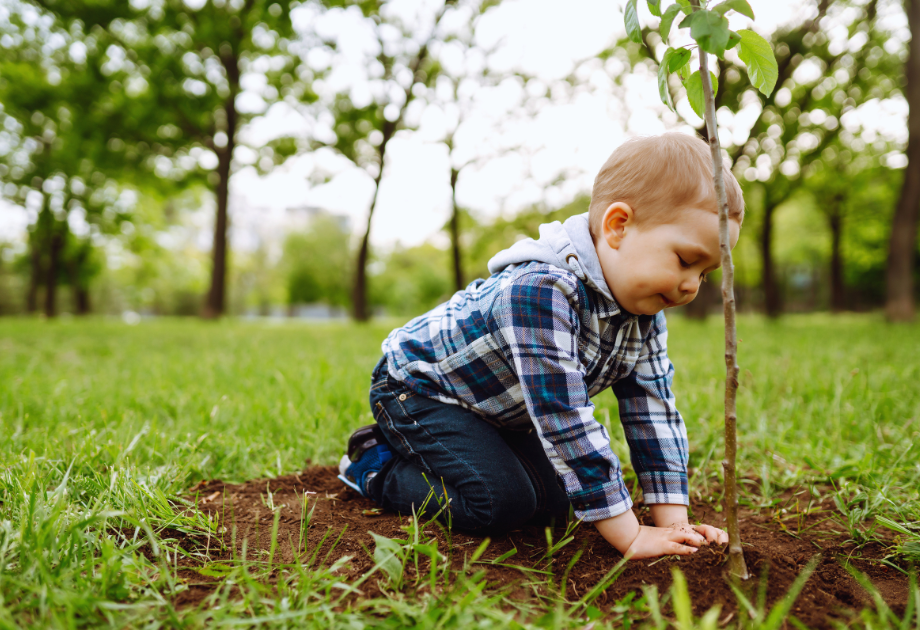
March and early April open one of the best windows of the year for trees, shrubs, and perennials. The soil is workable, moisture is plentiful, and plants get weeks of cool, gentle conditions to develop strong root systems before summer heat arrives. That early establishment reduces transplant shock and gives woody plants a real advantage heading into their first hot season.
The key is workable soil: not frozen, not waterlogged, but moist enough to dig and settle roots comfortably. Both bare-root and container-grown stock do well planted during this window. If your ground is still frozen, hold off a bit, but keep this on your radar. Once conditions cooperate, sooner beats later. We've got tips on helping new plants through seasonal transitions in Zone 6 if you want to read ahead.
What's Worth the Wait: Tomatoes, Peppers, and Tender Annuals
We get it. The first warm weekend in March makes you want to grab every tomato plant in sight. But tomatoes, peppers, squash, and tender annuals like zinnias and marigolds are warm-season plants through and through. They need warm soil, warm nights, and settled weather to take off, and March in Zone 6 can't give them that yet. Planted too early, they won't just grow slowly; they'll rot, stunt, or sit there doing nothing until conditions catch up.
The payoff for waiting is enormous, though. A tomato transplant set out in mid-May, into warm soil with long days ahead, will outpace one that's been struggling since March every single time. Peppers are the same way: give them the heat they crave and they'll produce all season. Tender annuals like zinnias and marigolds explode with color once summer warmth kicks in, filling beds and containers with blooms that last until frost.
When to plant in spring comes down to soil, not sunshine. Your patience now is what makes July's harvest and August's flower show possible.
March Garden Tasks Beyond Planting
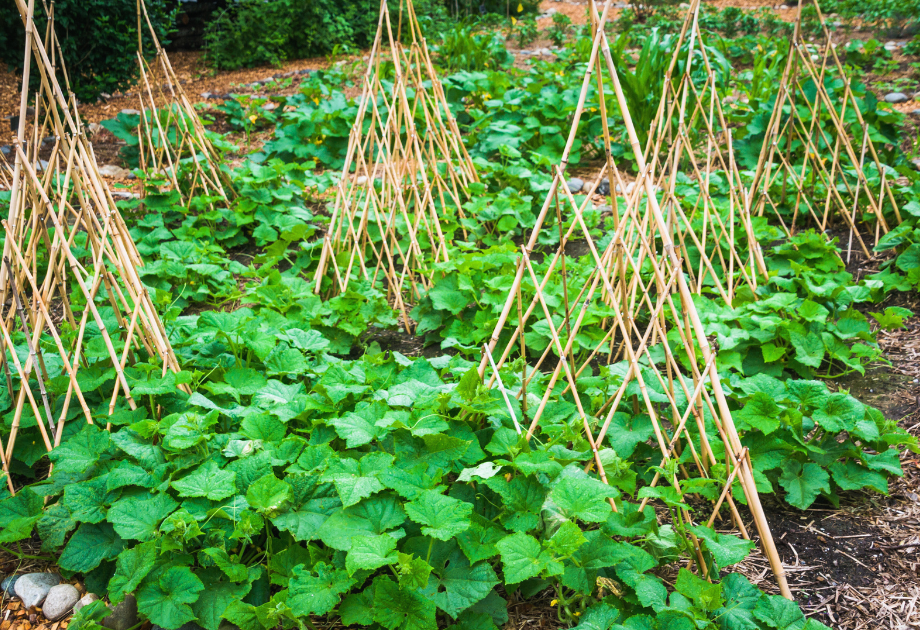
Even with cool-season crops in and seeds started indoors, there's plenty of satisfying work to keep momentum going this month:
- Divide overgrown perennials and replant the divisions to fill gaps or share with neighbors
- Set up trellises and supports for peas and climbing crops before they need them
- Clean and sharpen your tools (they've earned it after sitting all winter)
- Check trellises, stakes, and raised beds for winter damage so you're ready when climbing plants and heavy producers need support
Every one of these tasks makes your garden stronger and your planting season smoother.
Get Your March Planting Supplies at Knollwood Garden Center
Spring moves fast in Zone 6, and so do we. Right now at Knollwood Garden Center, you'll find cool-season vegetable starts, hardy flowers, seeds for indoor starting, soil amendments, and nursery stock selected specifically for our local growing conditions.
We're gardeners, just like you, and our team loves helping fellow growers make the most of every planting window. We're here with hands-on guidance and locally grown plants that make spring planting in Zone 6 a success.
Stop by Knollwood Garden Center, and our team can help you make the most of March. See you this weekend!