
Ohio Native Plants for Every Yard: What to Grow in Sun, Shade, Wet Soil, and Clay
Ohio Native Plants for Every Yard: What to Grow in Sun, Shade, Wet Soil, and Clay
.jpg)
We're nuts about natives around here. Not just the usual coneflowers and black-eyed Susans (though we love those, too), but the plants we really get excited about are the ones most gardeners haven't discovered yet.
Here's why natives deserve the excitement: they evolved right here, alongside our clay-leaning soils, our unpredictable springs, and our humid summers. They've already figured out Zone 6. That means less watering, less fertilizing, and fewer trips back to replace the thing that didn't make it. A national survey found 17% of U.S. adults are now actively buying plants native to their region, and honestly, once you see what's available, you'll wonder why you waited.
This guide matches native plants to five real garden conditions, from full sun to heavy clay, so you can find the perfect native for your yard. Consider it a field guide from fellow gardeners who know this climate and these plants firsthand.
Full Sun Natives That Thrive in the Heat
Got a spot that bakes all afternoon? Maybe it's the south-facing front bed, the border along the fence line with no tree cover, or that wide-open yard with nowhere to hide from the sun. Full sun natives are built for exactly this, performing beautifully where fussier plants throw in the towel. If you're not sure how much light your beds actually get, figuring out your yard's sun exposure will help you pick the right plants.
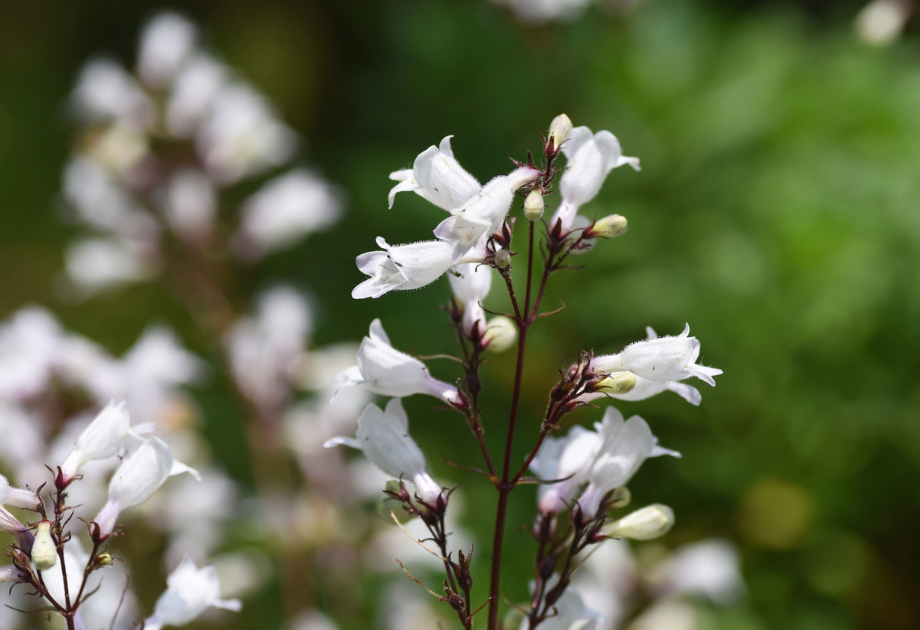
Foxglove Beardtongue (Penstemon digitalis)
Tall white flower spikes rise 3 to 5 feet on sturdy stems in late spring, catching light in a way that makes the whole bed feel taller. Unlike its dry-climate Penstemon cousins out west, this one evolved in the humid eastern U.S., so our humidity is no problem. Bumblebees and hummingbirds work the tubular blooms all season, and it tolerates clay as long as drainage is decent. Plant it in front of Ninebark for layered height.
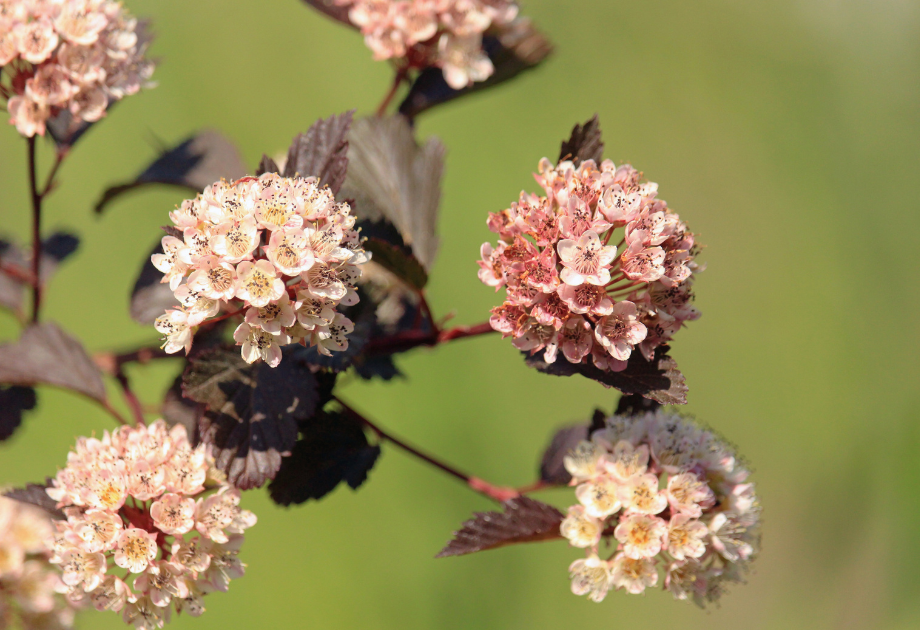
Ninebark (Physocarpus opulifolius)
Ever notice a shrub with peeling, papery bark and wonder what it was? Probably Ninebark. Clusters of white-pink flowers open in spring, and the foliage ranges from deep burgundy to lime green depending on the cultivar. Hardy and happy in a range of soils, it works beautifully as a structured backdrop for Ohio perennial flowers like Foxglove Beardtongue. Once you know what to look for, you'll start spotting it everywhere.
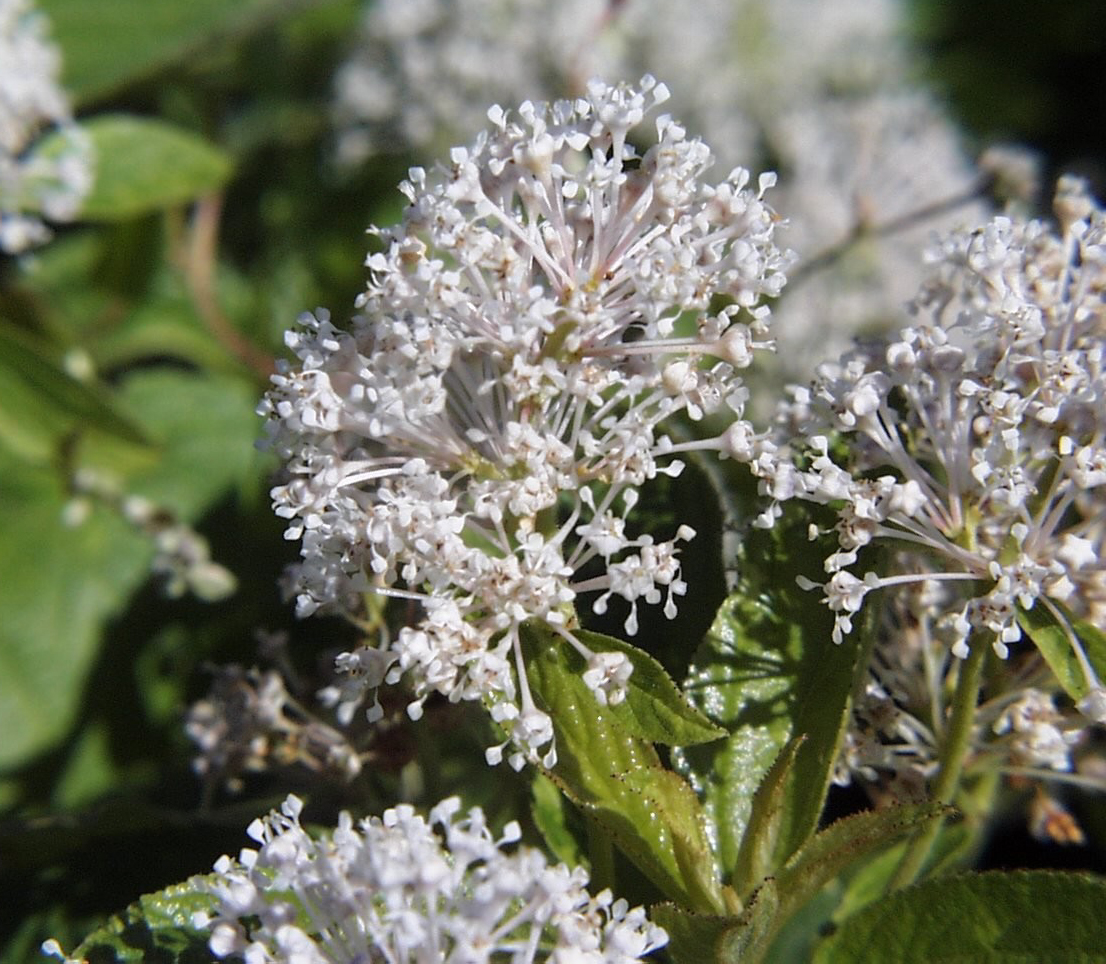
New Jersey Tea (Ceanothus americanus)
Here's one you almost certainly haven't grown, and that's a shame. Fragrant white flower clusters burst open in summer, pulling in bees and butterflies from across the yard. It's compact at 2 to 3 feet and drought-tolerant once established, thanks to deep red roots. It's also a nitrogen fixer that actually improves the soil around it, and a host plant for Spring Azure and Summer Azure butterflies. Colonists brewed its leaves as a tea substitute, which is how it got its name. Also called Redroot or Wild Lilac. One thing to know: it doesn't transplant well once settled, so choose your spot with intention.
Native Plants That Love Your Shady Spots
Got shade? Lucky you. These natives evolved on woodland floors and forest edges, so whether it's the north side of the house or that side yard under mature trees, they do their best work right there.
What makes this group especially exciting is how well they layer together. Wild Ginger carpets the ground, Witch Hazel fills the mid-layer, and Pagoda Dogwood rises above as the canopy. One shady bed, three layers, year-round structure and interest. Not bad for the "nothing grows here" corner!
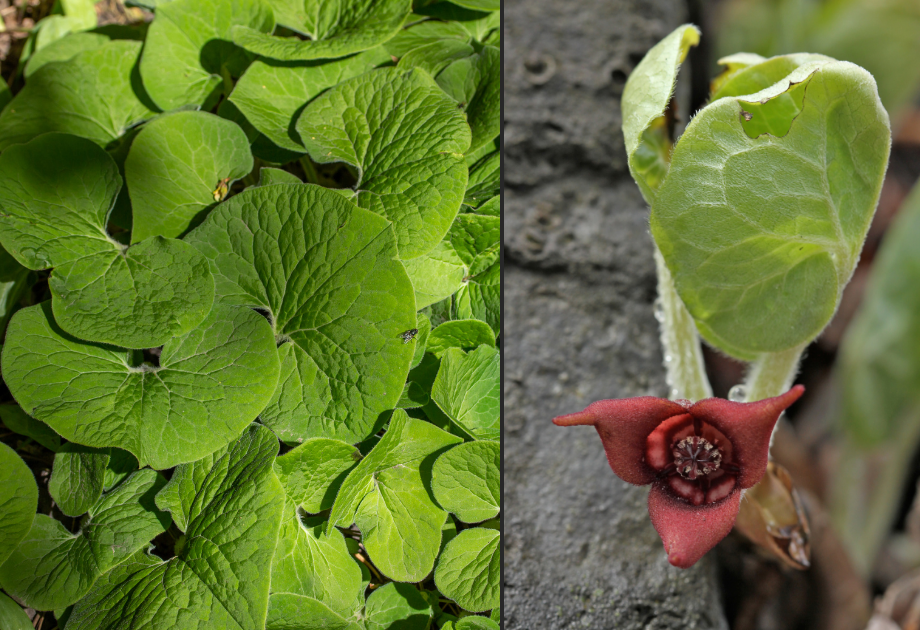
Wild Ginger (Asarum canadense)
Large, heart-shaped leaves up to 6 inches across form a lush carpet just 6 inches tall. Brush the foliage and you'll catch a warm ginger scent, which is a fun surprise the first time. Most woodland plants go dormant by summer, but Wild Ginger holds its leaves all season. That staying power makes it one of the most reliable low maintenance shade plants you can grow. Deer leave it alone, and it's a host plant for the Pipevine Swallowtail butterfly. One caveat: it wants moist but well-drained soil, so heavy waterlogged clay won't work here. Also called Woodland Ginger or Indian Ginger.
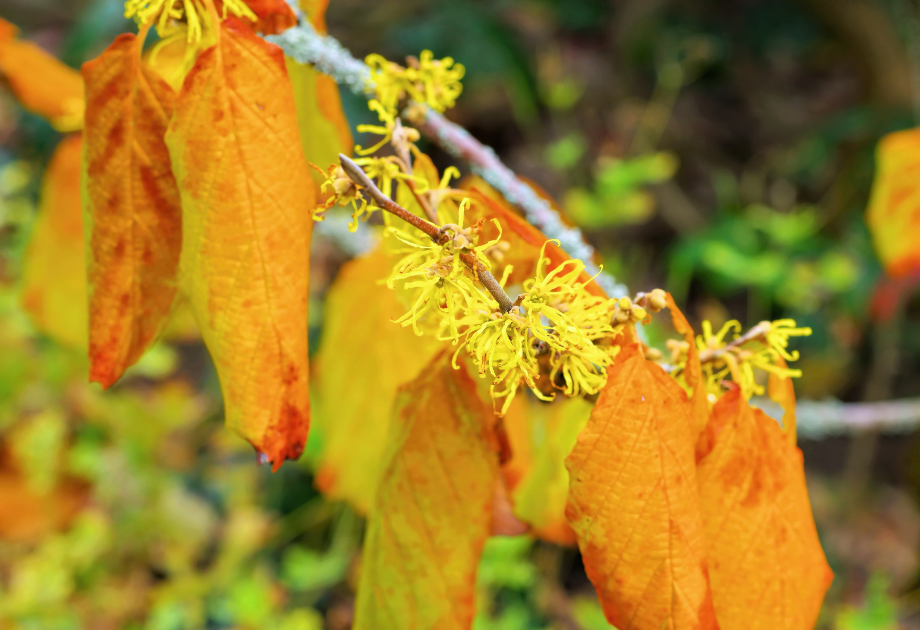
Witch Hazel (Hamamelis virginiana)
This is the plant that blooms when nothing else will. Yellow, ribbon-like flowers appear in late fall to early winter, long after everything else has gone dormant. If you want one of the most striking flowering shrubs in Ohio for off-season interest, this is it. Tolerant of heavy clay and deer browsing, with a dense canopy that doubles as a natural screen in summer. You can grow it as a large shrub or prune it into a small understory tree. And yes, this is the source of the witch hazel extract you probably already have in your medicine cabinet.
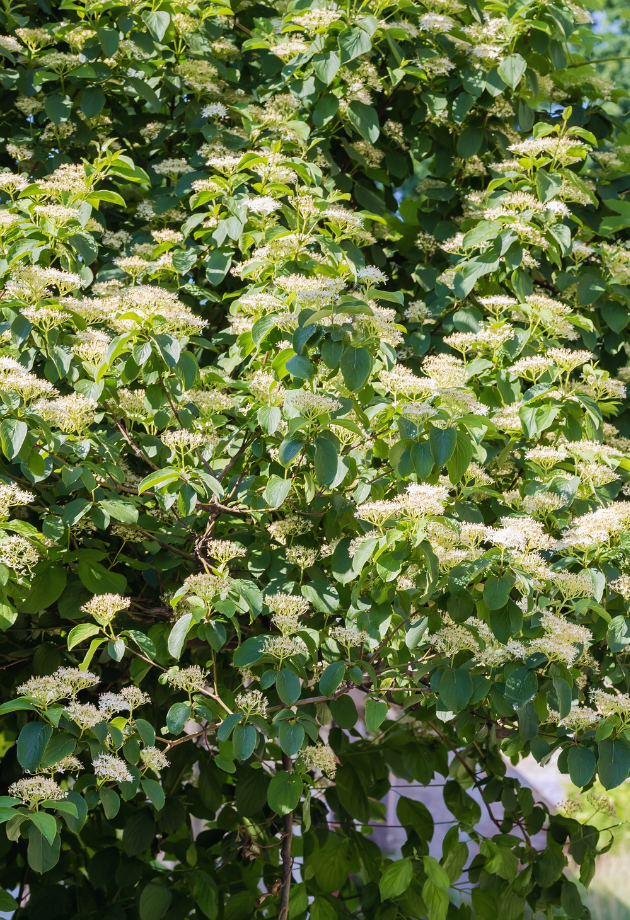
Pagoda Dogwood (Cornus alternifolia)
You'll notice the branching first: distinctive tiered, horizontal layers that catch snow in winter and look architectural year-round. At 15 to 25 feet tall, it fits under utility lines and in smaller yards. White flower clusters in spring give way to blue-black berries on vivid red stalks that birds compete for in summer, and the foliage turns burgundy-red in fall. It prefers moist, slightly acidic soil and part shade, and it's both deer-resistant and tolerant of black walnut toxicity (which matters in more Ohio yards than you'd think). This is the canopy layer that ties a whole shade garden together.
Partial Sun Picks for In-Between Spaces
Most yards don't fall neatly into "full sun" or "full shade." Maybe your bed gets morning light and afternoon shade, or you've got a spot under a high-canopy tree that catches a few good hours. These plants handle that kind of in-between gracefully. Together, they cover spring through fall. Redbud kicks off the season. Wild Bleeding Heart carries color for months. Bottlebrush Buckeye closes with showy white flower spikes in summer and golden foliage in fall.
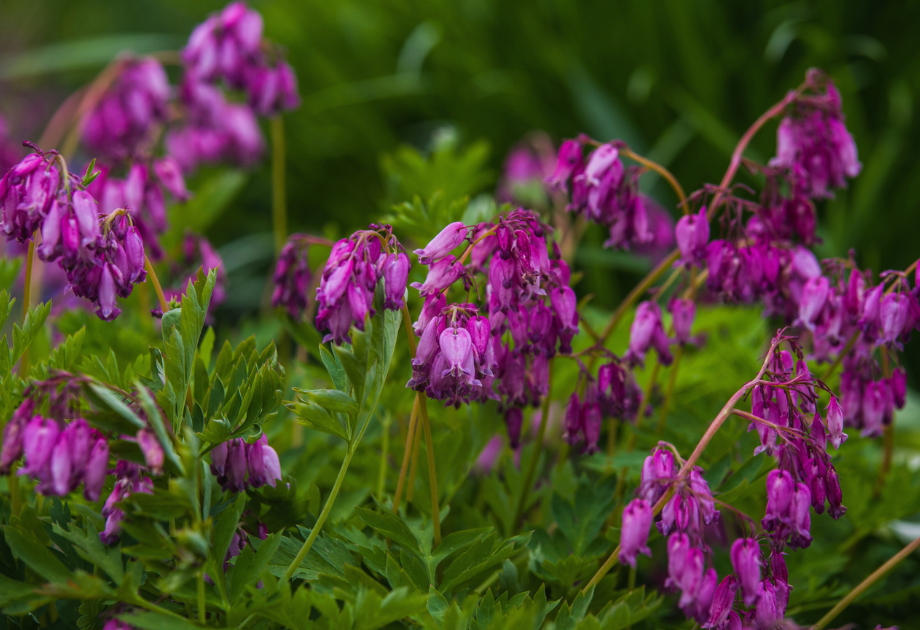
Wild Bleeding Heart (Dicentra eximia)
Pink, heart-shaped flowers bloom from spring into fall, with sporadic summer reblooms when the weather cooperates. That kind of duration is rare for a shade-tolerant perennial, and it fills the midseason color gap beautifully when other woodland plants are long done. The fern-like blue-green foliage adds texture even between flushes. At 8 to 12 inches tall, it naturalizes gently through ant-dispersed seeds without becoming aggressive. Deer-resistant, rabbit-resistant, and also called Fringed Bleeding Heart.
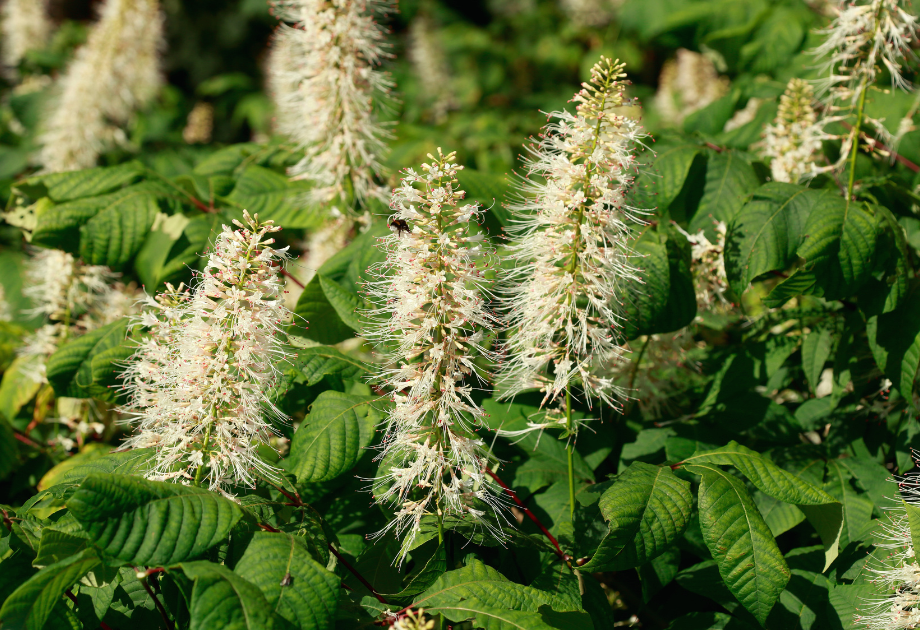
Bottlebrush Buckeye (Aesculus parviflora)
Dramatic white flower spikes up to 12 inches long bloom in early summer, studded with tiny red-orange stamens. Very few other shrubs are flowering at that point, which is exactly what makes it a standout. Bold palmate leaves turn golden yellow in fall, and the whole plant reaches 8 to 12 feet tall and wide, suckering slowly to form a natural screen or colony. Eastern Tiger Swallowtails and Ruby-throated Hummingbirds seek it out. It prefers rich, moist soil and needs consistent water when young, but it's virtually disease-free compared to other buckeyes.
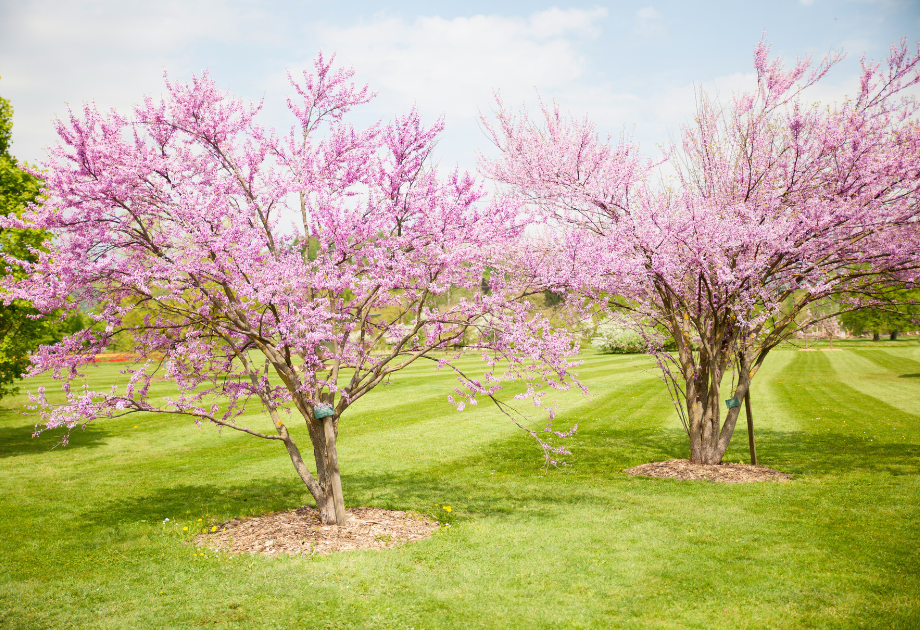
Eastern Redbud (Cercis canadensis)
You already know the pink spring blooms. Here's what you might not know: Redbud belongs to the legume family and fixes nitrogen in the soil. That means it actively improves conditions for the plants around it. Heart-shaped leaves, fast growth when young, and a rounded crown at 15 to 30 feet make it a versatile yard tree for zone 6. On older specimens, the bark develops deep fissures with cinnamon-orange interior. Gorgeous in winter light. It's also a host plant for Henry's Elfin butterfly and tolerates a range of soils including clay. One recommendation: choose the straight species over dark-leaved cultivars when possible, since insects benefit more from the natural green foliage.
Wet Ground Winners
Every gardener has a nemesis spot. That low corner of the yard that stays soggy for days after rain. The drainage swale. The area near the downspout where water pools and grass gives up. Most conventional plants just rot in those conditions, but these natives? They were made for it. They evolved in floodplains and along stream margins, and their deep root systems actually help move water through the soil over time. Your soggiest spot might just become your most interesting one.
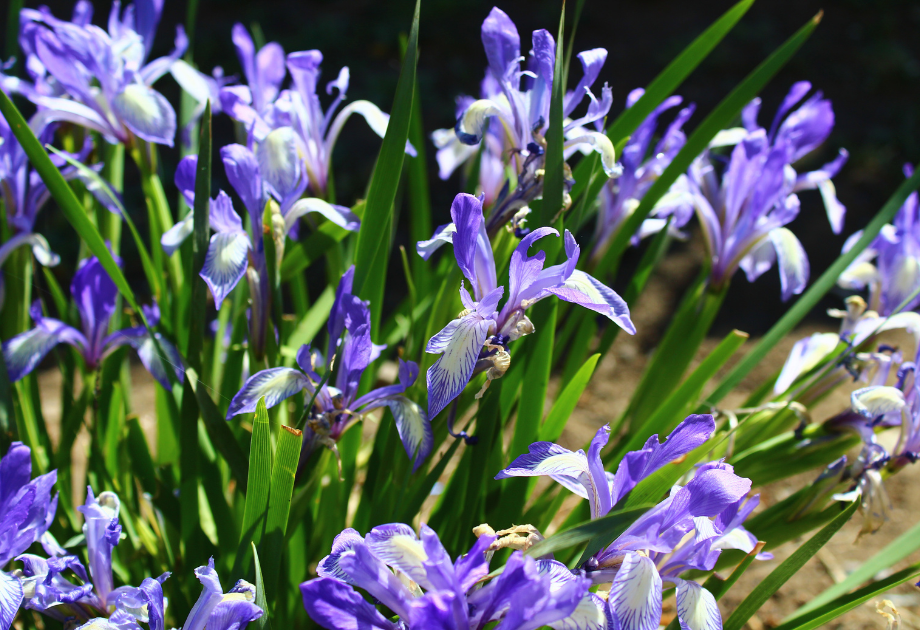
Blue Flag Iris (Iris versicolor)
Striking violet-blue flowers with yellow and white markings at the base open in late spring to early summer, and the sword-like foliage adds vertical structure to wet areas all season. This iris thrives in consistently moist to wet soil, even shallow standing water, so it's a natural fit for pond edges, rain gardens, and drainage swales. Pair it with Buttonbush for a layered wet-area planting with contrasting heights and bloom times.
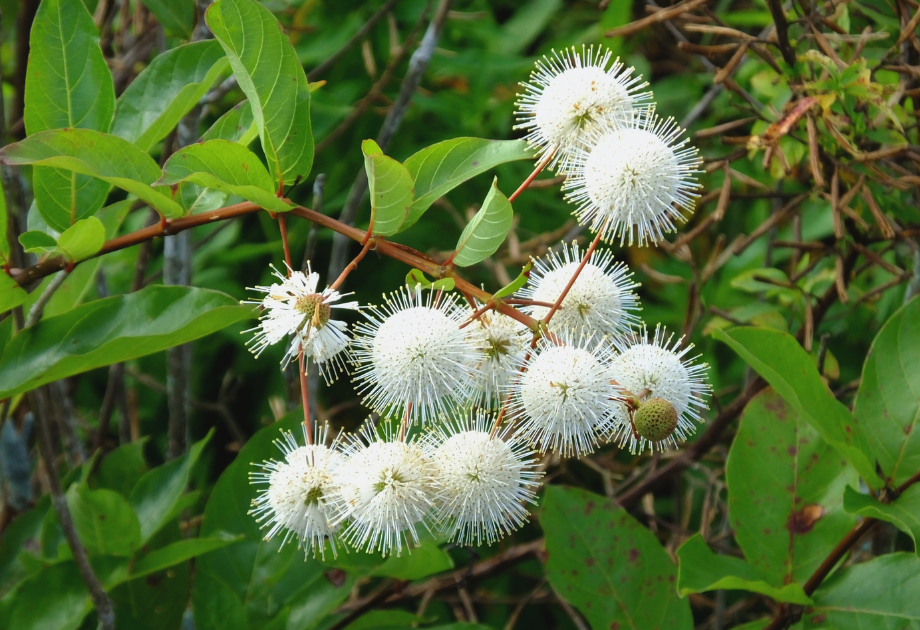
Buttonbush (Cephalanthus occidentalis)
These flowers are unlike anything else you'll find in a garden: fragrant white spheres that look like tiny pincushions. They bloom from June through September, which is an exceptionally long window. And here's the impressive part: Buttonbush can tolerate standing water up to 3 feet deep and handles soil compaction without flinching. It grows 6 to 12 feet tall, and the reddish-brown fruiting heads persist into winter, feeding waterfowl and songbirds. If you have a low spot where water collects after every storm, this is the shrub for it.
Tough Soil Survivors
If you've ever driven a shovel into Dayton-area clay and thought, "Nothing's going to love this," these natives are here to prove you wrong. These natives don't just tolerate tough soil; they're adapted to it. Even your most stubborn clay spots have natives ready to prove themselves.
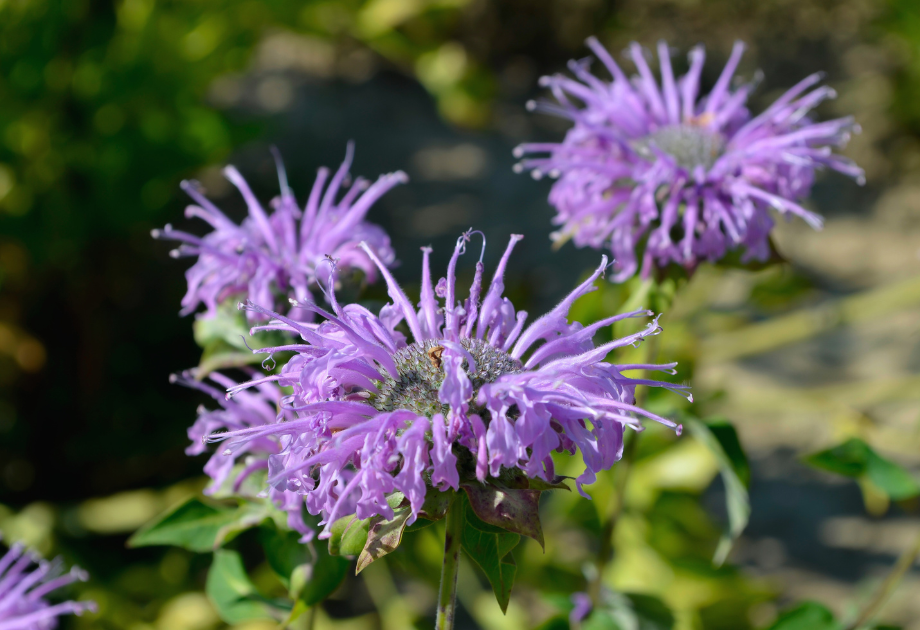
Wild Bergamot (Monarda fistulosa)
If you know red Bee Balm (Monarda didyma), meet its tougher, more adaptable cousin. Wild Bergamot produces lavender blooms on aromatic foliage from midsummer into fall, and butterflies, bees, and hummingbirds show up in droves for it. It thrives in dry to medium soils including clay and handles drought once established. You can plant the seeds directly in bare soil in spring without any special prep. That makes it one of the easiest natives to start with. Give it room, though; it spreads by rhizomes and pairs best with other vigorous growers. Also called Horse-Mint.
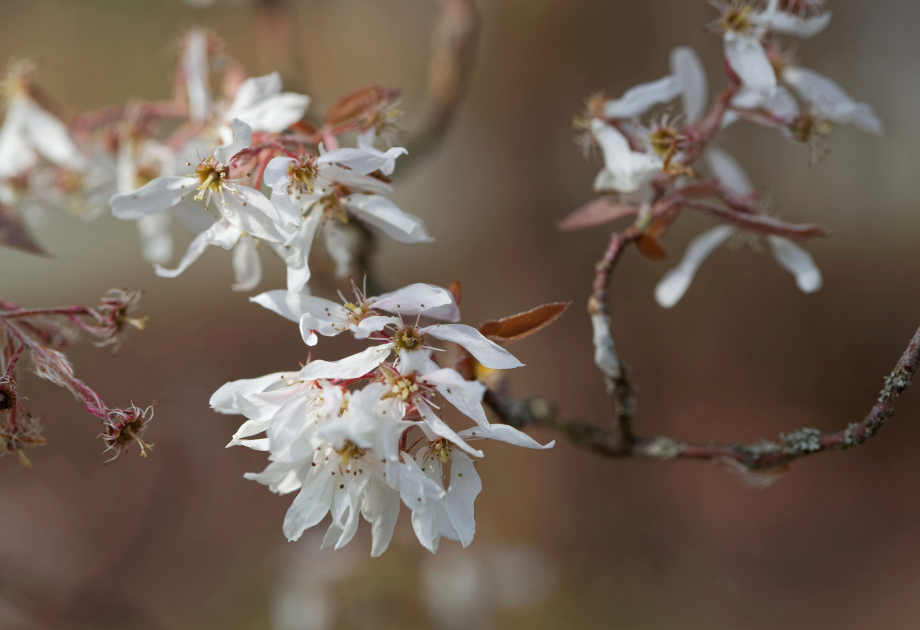
Serviceberry (Amelanchier arborea)
This is a four-season tree, and every season delivers. White flowers open among the first in spring. Sweet-tart berries ripen in summer (loved by birds and bakers alike). Coppery-burgundy foliage lights up fall. Graceful, layered branching gives it structure all winter. It reaches up to 25 feet tall, tolerates a range of soil and sun conditions, and supports a wide web of pollinators, birds, and small mammals as a keystone genus. Also called Juneberry and Shadbush. This is the kind of tree that gives back more every year you grow it.
Find Your Miami Valley Natives at Knollwood Garden Center
Spring is when native plant selection is at its best, and right now at Knollwood Garden Center you'll find locally grown Ohio native plants selected for Zone 6 success. Whether it's a sun-baked front bed, a shady side yard, or that soggy low spot you've been battling for years, our team can help you match the right natives to your yard.
We're gardeners, just like you, and we love talking through planting plans with fellow growers.
Stop by Knollwood Garden Center this spring for native plants that belong in your yard. See you this weekend!