
How to Make the Most of Your Garden Space, For Any Size or Type (Part Two)
How to Make the Most of Your Garden Space, For Any Size or Type (Part Two)
(1).png)
Every garden has potential—you just need the right approach to make the most of the space you’ve got. Some gardeners grow for the harvest, others for the joy of color, sound, and texture. Whatever your reason, creating a space that reflects your style and makes you feel at home is what gardening’s all about—and we’re here to help.
This is part two of our two-part blog series on maximizing your garden space. In part one, we focused on kitchen gardens and raised beds—perfect for growing what you eat. In this post, we’re digging into the creative side: how to design ornamental gardens and integrate water features that make your space feel vibrant, peaceful, and completely your own. You’ll find ideas that work across patios, balconies, and big backyards, all tailored to our Midwest growing conditions.
Bloom with Beauty in an Ornamental Garden
An ornamental garden is designed to turn your outdoor space into something that looks and feels good to be in. These gardens use trees, shrubs, flowers, and foliage to create structure, movement, and seasonal beauty—whether you're working with a tiny plot or a full backyard canvas.
There’s no one-size-fits-all layout for an ornamental garden. Some are layered and lush, with curving borders and mixed textures. Others are tidy and symmetrical with repeating plant patterns. What matters most is choosing the right plants for your sunlight, soil, and space—and shaping them into a design that matches your goals.
At Knollwood, we can help you build a garden that reflects your personal style and thrives in USDA Zone 6 conditions. You’ll find inspiration in our collections of annual flowers, perennials, and trees, shrubs, and roses, as well as our bulbs resource and our blog on rose care for Zone 6 gardens.
Pretty Pots That Pack a Punch
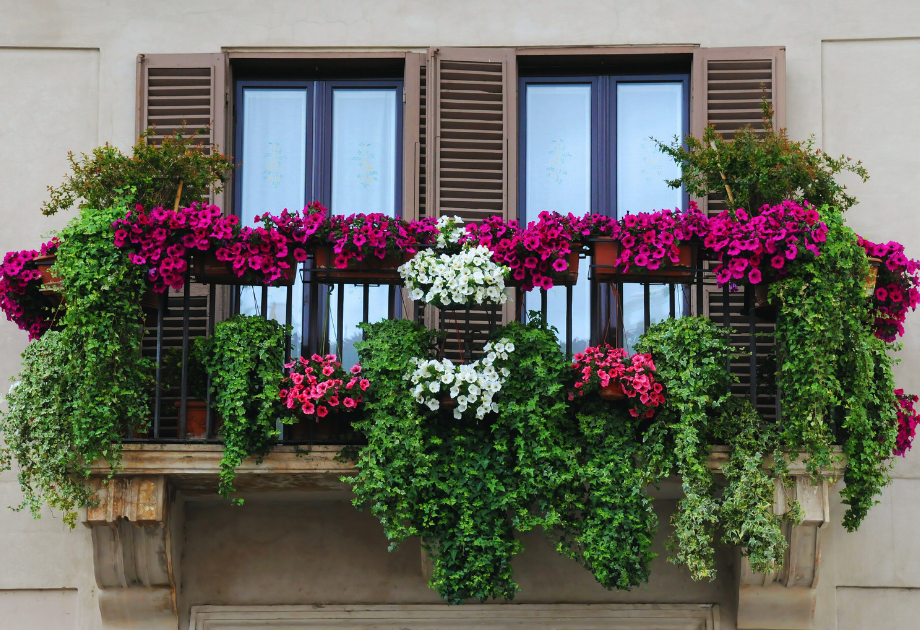
If you're short on ground space, container gardening is a great way to show off ornamental plants in a bold, flexible format. Use pots with good drainage and select a moisture-retaining potting mix. Arrange by height—upright focal points like ornamental grasses or canna lilies pair well with low, bushy fillers and trailing plants like sweet potato vine or calibrachoa.
Change your container displays throughout the season by swapping in fresh blooms or rotating your favorite foliage. Bulbs in spring, annuals in summer, and cold-tolerant ornamentals in fall can keep your balcony garden or patio fresh all year long.
Small Gardens, Major Curb Appeal
A small ornamental garden can have a big presence with the right layout and plant selection. Contrast is your friend—use a mix of textures, leaf shapes, and bloom sizes to give the space depth and visual interest. Plants like coreopsis, salvia, and dwarf coneflowers provide long-lasting color, while evergreens like dwarf Hinoki cypress or boxwood add year-round structure.
Vertical accents like trellises, arbors, or even decorative metalwork give small spaces a sense of height without taking up ground space. Climbing plants like clematis, climbing roses, or trumpet vine can bring these features to life. Curved borders or staggered edges also help draw the eye through the space and make it feel more expansive.
Not sure which plants will thrive in your space? Stop by the store or contact us—we're happy to help you find the right fit for your conditions and goals.
Design That Wows in Wide Open Spaces
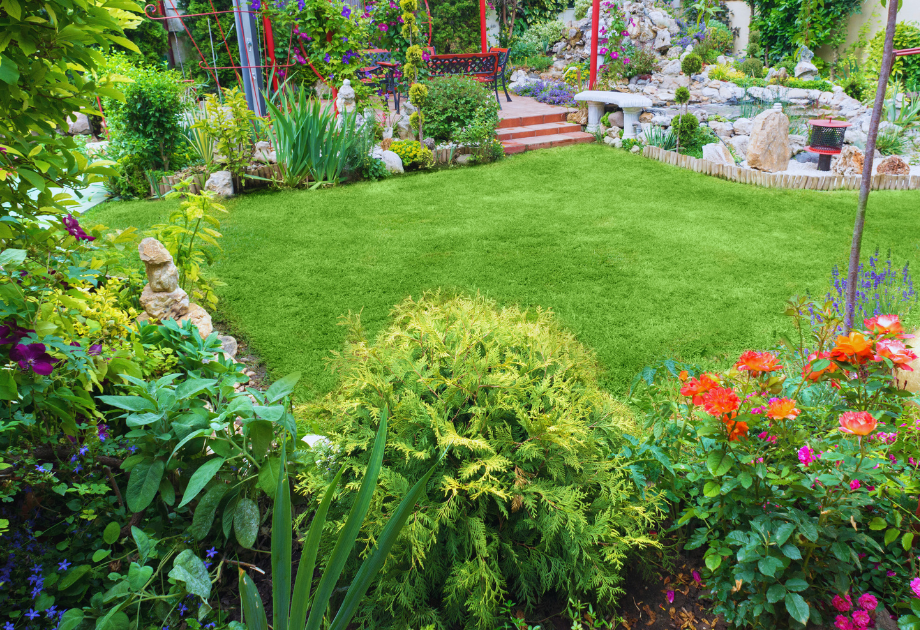
In larger yards, ornamental gardens can evolve into fully developed outdoor environments. Layer small ornamental trees like serviceberry or redbud with mid-sized shrubs such as wild hydrangea or ninebark (both native species to Ohio!) to create structure. Use perennials like echinacea, salvia, and daylilies to anchor color, and fill in with seasonal annuals like zinnias, coleus, or begonias for variety and rhythm throughout the season.
Strategic spacing helps each plant shine while also allowing you to shape natural walkways or quiet nooks for seating and reflection. Use tall grasses like switchgrass or feather reed grass as soft dividers between zones or to add movement and texture.
Repeating plants and textures throughout the space builds cohesion, and mixing in decorative elements like garden art, pavers, or seating gives the space a lived-in, welcoming feel.
For layout ideas and help planning a show-stopping space, explore our landscaping services. Whether you’re dreaming of symmetry or wild, cottage-style charm, we’ll help you bring it to life.
Let It Flow with a Water Garden
Adding water to your landscape introduces a new layer of interest—movement, sound, and wildlife. Whether it’s a bubbling pot on a patio or a pond nestled into your backyard, a water feature creates a peaceful focal point and encourages birds, pollinators, and beneficial insects to stop by.
Even in USDA Zone 6, aquatic plants and carefully chosen features can thrive throughout the growing season. And when designed with both beauty and function in mind, water gardens can support a healthy ecosystem right in your own backyard. Visit our water gardening resource for ideas, seasonal care tips, and inspiration.
Tiny Water Features with Big Personality
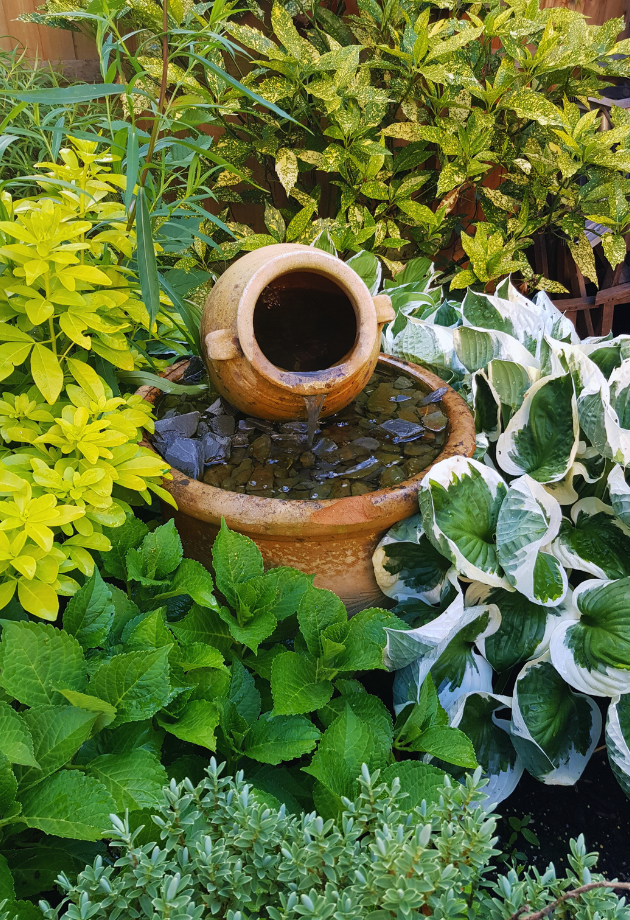
A small space doesn’t mean you have to skip the water element entirely. Tabletop fountains, ceramic bowls, or narrow self-contained features can still bring relaxing sound and sparkle to a balcony or patio. Just keep in mind: these compact setups typically don’t have the pump strength or space for rooted aquatic plants like dwarf lilies—and floating plants can clog the mechanics quickly.
If you’re adding greenery to a larger container fountain, water hyacinth is a great option; it floats freely, helps shade the water, and supports natural filtration. Place your container in partial sun and keep it clean with regular water changes.
Splash of Serenity in a Small Space
For modest yards or side gardens, a small in-ground pond offers a tranquil escape and an opportunity to support native wildlife. Situate your pond where it receives partial sunlight, and edge it with moisture-loving plants like Japanese forest grass, dwarf iris, or creeping jenny to create a soft, natural border.
Incorporate shallow shelf areas around the pond’s edge, or add flat rocks or ramps to help frogs, toads, and other small creatures safely get in and out. These features are more than decorative—they support a balanced habitat and encourage beneficial wildlife to return.
Ponds and Possibilities
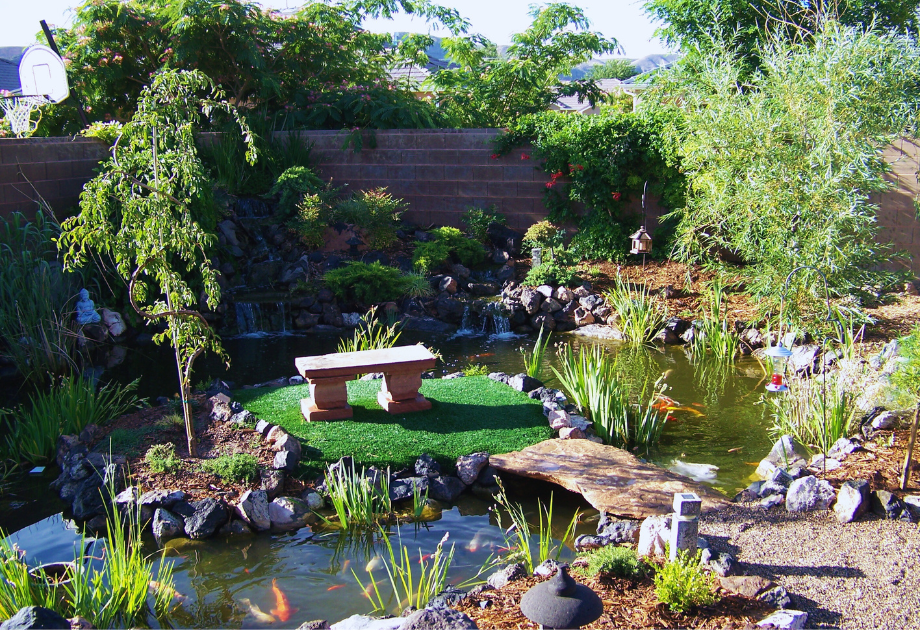
Larger water gardens open up even more creative options. You can design multiple depths to accommodate a range of aquatic plants and animals, from marginal plants along the edges to submerged oxygenators and floating varieties. For ponds that will support fish like koi or goldfish through winter, plan for a depth of at least 18 inches to avoid freezing solid in Zone 6 conditions.
A waterfall or stream feature not only adds dramatic movement—it also improves oxygen levels, which helps plants and fish thrive in bigger bodies of water. Just like any other garden space, larger ponds benefit from thoughtful layout and seasonal care.
You’ll find helpful tips on setup and maintenance on our water gardening resource page.
Bring Your Garden Dreams to Life with Knollwood
Your garden should reflect what you love—whether that’s bright blooms, calming water features, or the joy of creating something beautiful in your own space. With the right plant combinations and a bit of thoughtful planning, any garden can become a place you’re proud to spend time in.
At Knollwood Garden Center and Landscaping, we’re here to help you bring that vision to life. Visit us to explore our wide selection of perennials, annuals, and water gardening essentials, or contact us for personalized guidance.
And if you're looking for tips on growing what you eat, don’t miss Part One of this blog series—it's full of practical advice for kitchen gardens and raised beds.